
Creating structure in a child’s day can be a useful option, especially when it comes to balancing schoolwork, playtime, and chores. A Free Printable Daily Schedule Chart For Kids is an excellent tool for parents looking to instill organization and independence in their children. Unlike generic schedules that can overwhelm kids, this chart is designed specifically for young learners, making it user-friendly and effective.
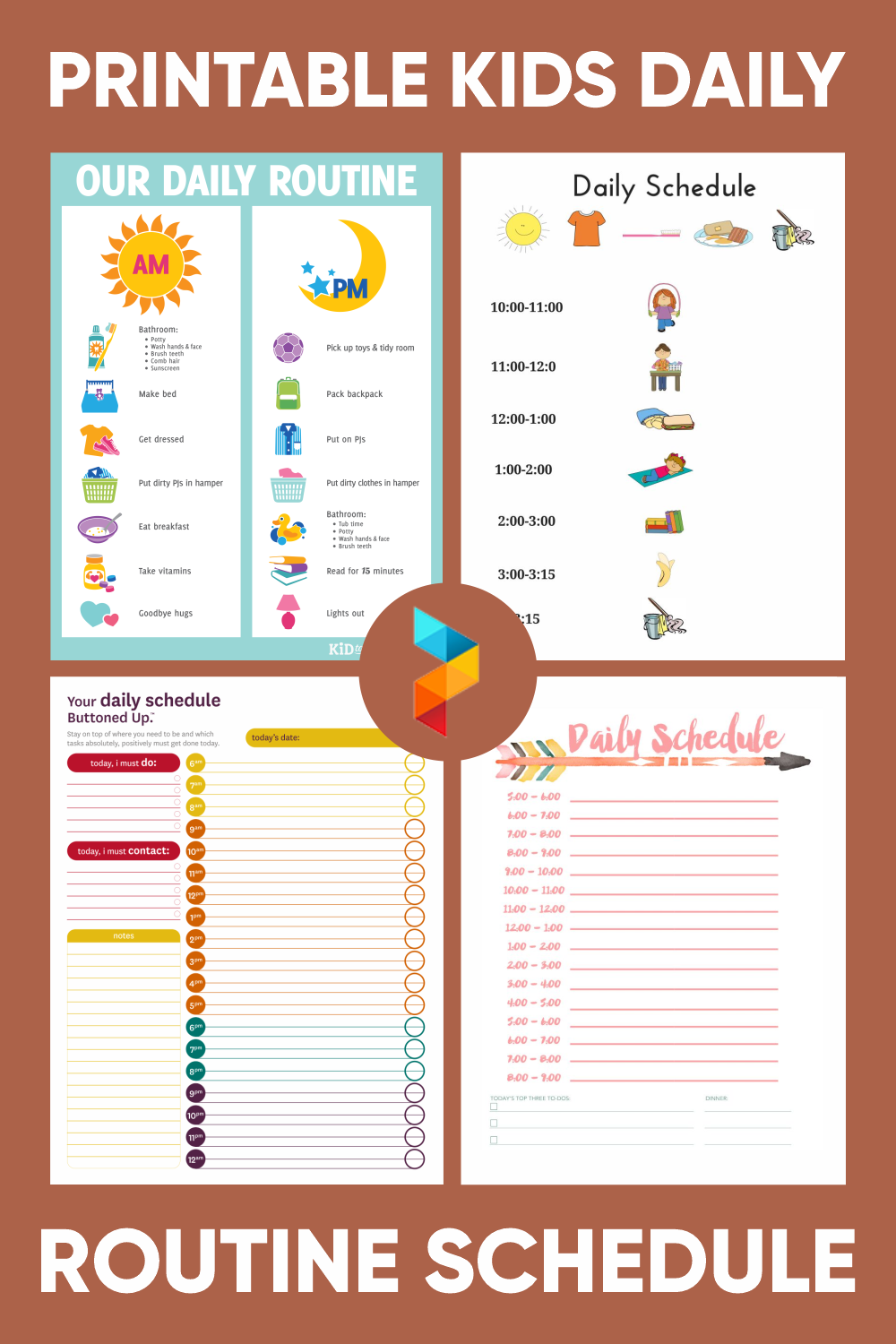
Understanding the Daily Schedule Chart Layout
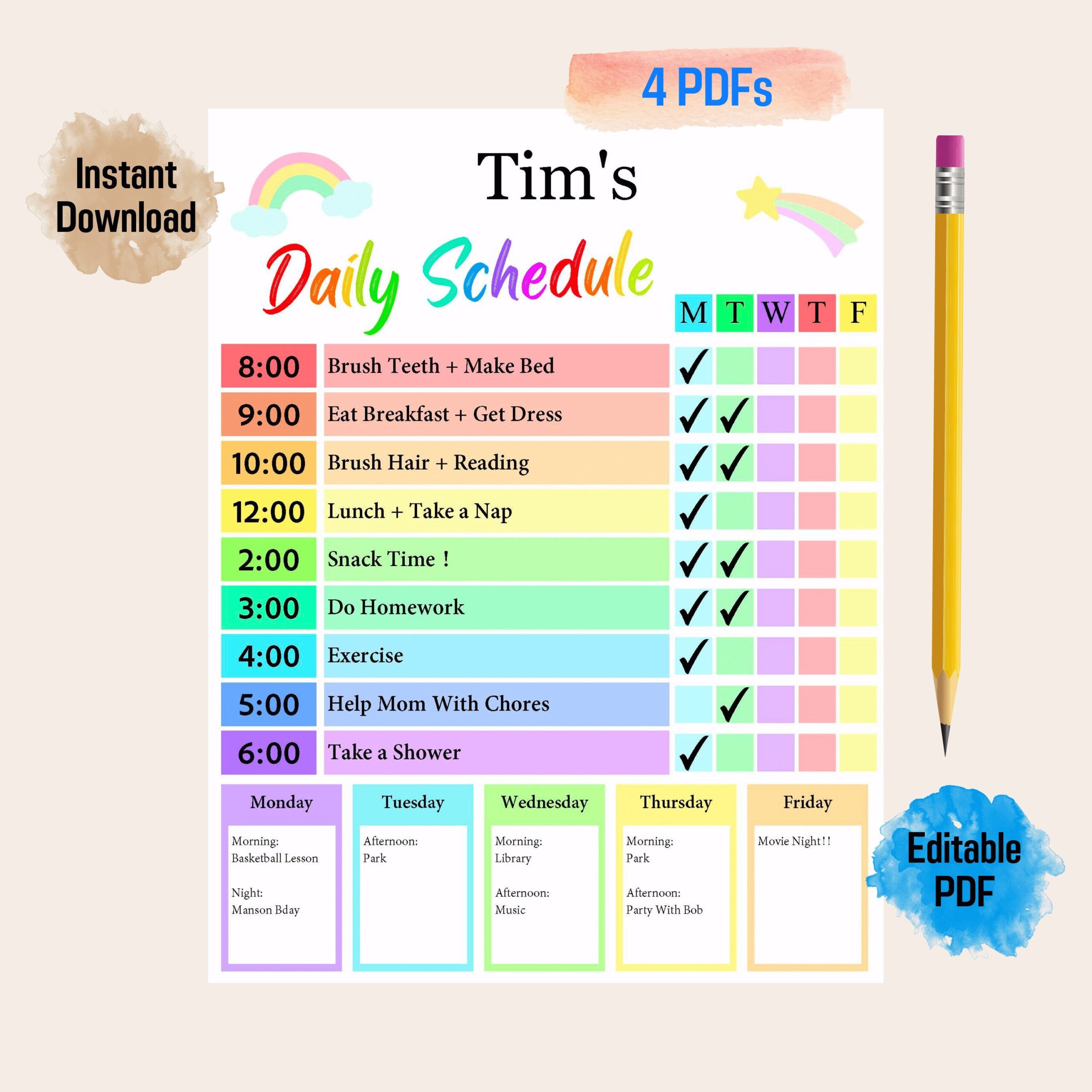
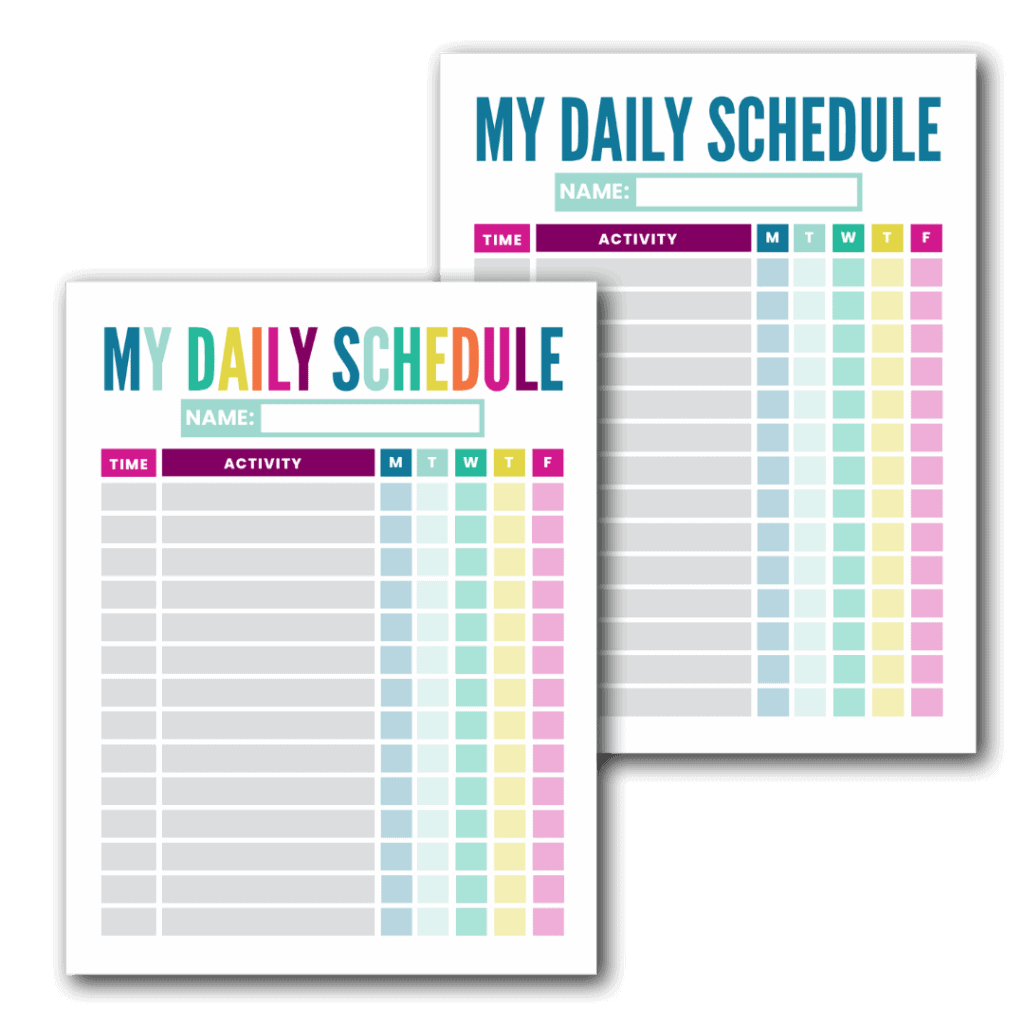
The layout of the daily schedule chart is crucial. Typically, you’ll find sections for time slots, activities, and a notes area. These sections work together to give children a clear visual of their day.
- Time Slots: Most charts include hourly segments, often starting from morning until bedtime. This design helps kids understand how to manage their time effectively. You can choose a layout that works best for your family—some prefer a half-hour breakdown, while others opt for hourly sections.
- Activities: This is where you list the tasks for each time slot. It could include school, homework, meals, chores, and playtime. By personalizing these activities, you make the chart relevant and engaging for your child.
- Notes Area: A small section for notes can be useful for reminders or motivational quotes. It’s a great place to encourage kids or remind them about special events, like a friend’s birthday party.
Choosing the Right Format and Paper
When it comes to printing your daily schedule chart, the format can greatly affect usability. Most charts are available in PDF for easy printing, which avoids reformatting issues that can occur with image files.
- Paper Size: Standard A4 or letter-sized paper works best for home printing. If you have a larger printer, consider using A3 paper for more space between activities. This can help younger children write their tasks more clearly.
- Cardstock vs. Regular Paper: Using cardstock can enhance durability, especially if your child will be using it daily. Cardstock holds up better under wear and tear and is ideal for laminating, allowing for dry-erase markers to be used for daily updates.
Supporting Your Child’s Follow-Through
Once you have the chart set up, the next step is ensuring your child follows through with their schedule. Here are some practical tips:
- Involvement: Involve your child in the process of filling out the chart. Let them choose activities and times, which can foster a sense of ownership. This engagement increases their likelihood of adhering to the schedule.
- Routine Review: Consider reviewing the schedule together each morning or the night before. This not only reinforces the day’s activities but also allows for adjustments as needed, like shifting homework time or adding a playdate.
- Positive Reinforcement: Use rewards for sticking to the schedule. A sticker system for completing tasks can be motivating for younger children. A small treat or extra playtime can encourage them to stay on track.
Customizing for Different Age Groups
A daily schedule chart can be tailored to fit different age groups. Younger children might benefit from colorful visuals and icons, while older kids might prefer a more streamlined and text-based approach.
- For Toddlers and Preschoolers: Incorporate pictures next to activities to help them recognize tasks. This visual cue can help them follow along without needing constant reminders.
- For School-Age Children: Focus on written tasks and allow space for them to jot down homework or projects. Encouraging them to take ownership of their responsibilities prepares them for more independence.
A Caution on Over-Scheduling
While having a daily schedule can be beneficial, it’s important to avoid over-scheduling. Kids need downtime to relax and play. Be mindful of balancing structured activities with free time.
Monitor your child’s reactions to the schedule. If they seem overwhelmed or stressed, consider simplifying the chart by reducing the number of tasks or allowing for more flexibility in time allocations.
A Free Printable Daily Schedule Chart For Kids can be an effective tool for fostering responsibility and time management skills. By choosing the right layout, format, and approach to follow-through, parents can create a supportive environment that encourages children to thrive. Just remember to keep it fun and flexible!