
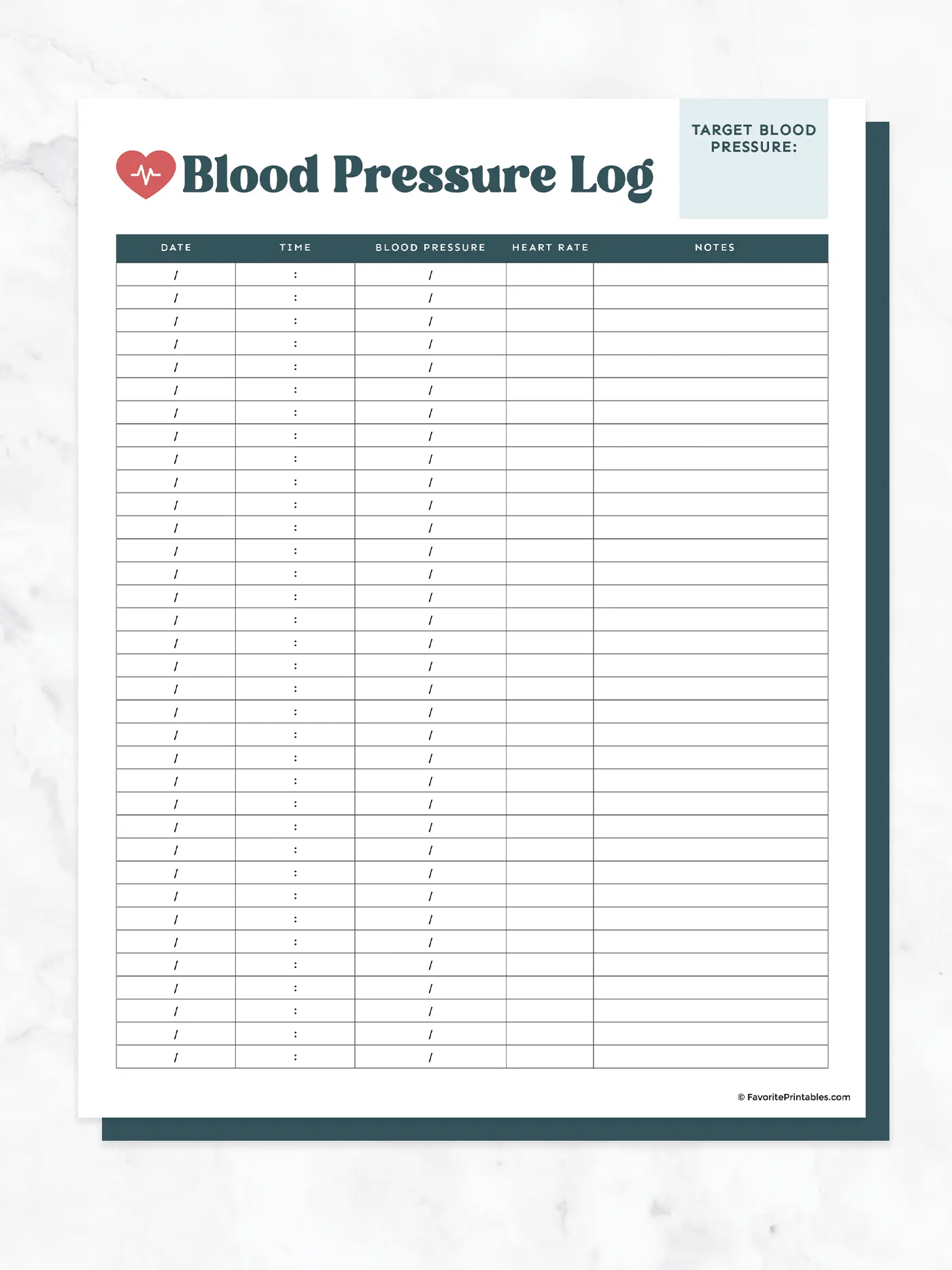
Keeping track of your blood pressure is crucial for maintaining your health, especially if you’re managing hypertension or other cardiovascular concerns. Our Free Printable Blood Pressure Chart Tracker is designed to help you do just that with ease. This tracker is available in a convenient PDF format, making it easy to download, print, and use right away.
Understanding the Layout of the Blood Pressure Chart
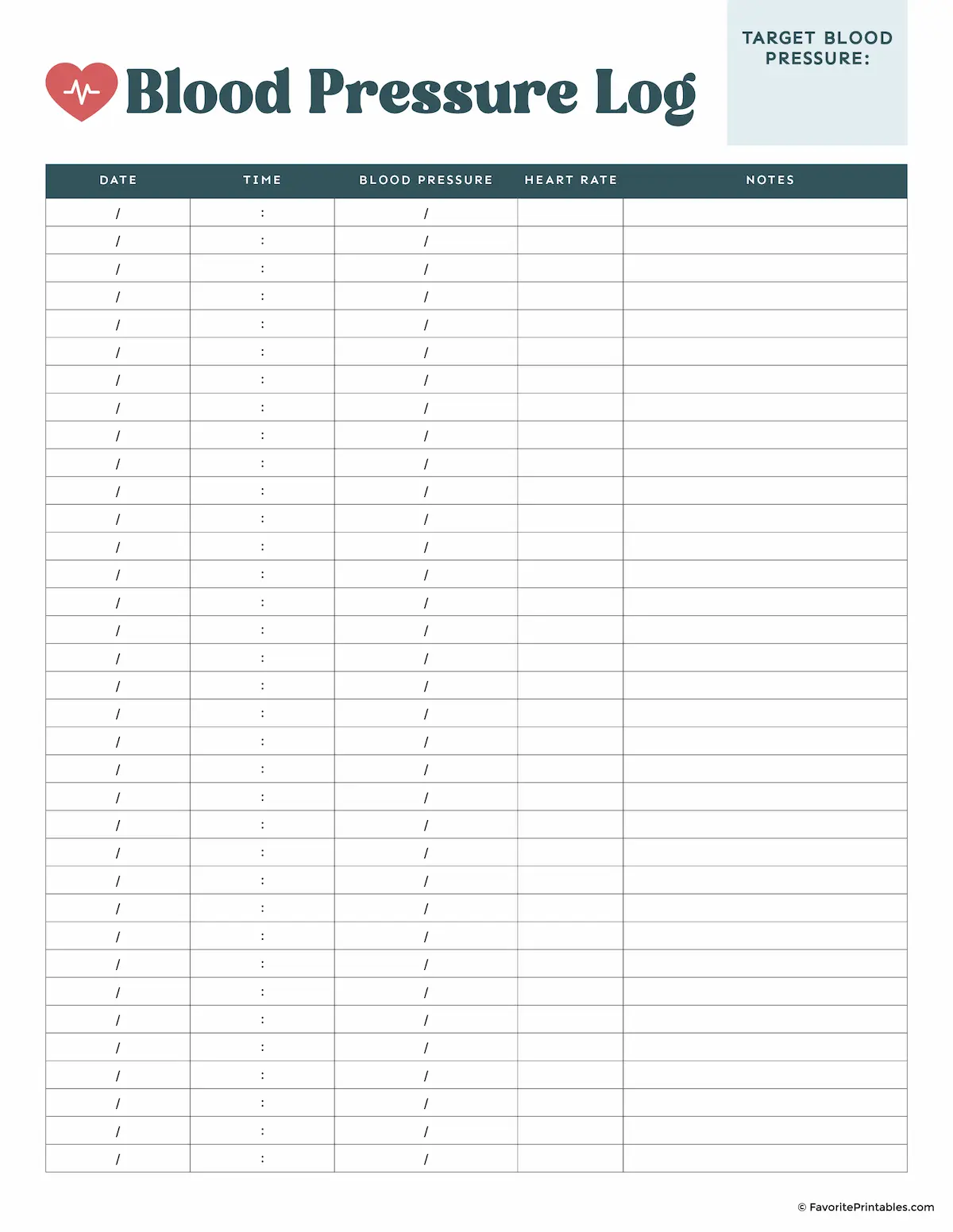
When you open the printable blood pressure chart, you’ll notice a clear and organized layout. The chart typically features sections for recording your systolic and diastolic pressure, along with the date and time of each reading.
- Systolic Pressure: This is the top number, indicating the pressure in your arteries when your heart beats.
- Diastolic Pressure: This is the bottom number, showing the pressure in your arteries when your heart rests between beats.
Each entry allows you to track your readings over time, which can help you and your healthcare provider monitor your blood pressure trends. The simplicity of this design makes it easy for anyone to fill out, regardless of their familiarity with medical forms.
How to Use the Blood Pressure Tracker Effectively
To get the most out of your Free Printable Blood Pressure Chart Tracker, consistency is key. Here’s a simple routine for using the tracker effectively:
- Set a Schedule: Aim to measure your blood pressure at the same time each day. Many people find that morning readings before breakfast and evening readings before dinner provide a good overview.
- Record Readings: Each time you take your blood pressure, record the date, time, systolic, and diastolic values. If you have a heart rate monitor, you can include that as well.
- Review Regularly: At the end of each week or month, review your entries. This will help you identify any patterns or changes in your blood pressure that may need attention.
- Share with Your Doctor: Bring your completed tracker to your next doctor’s appointment. This can be an invaluable tool for your healthcare provider to assess your condition.
Tips for Optimal Tracking
While using the Free Printable Blood Pressure Chart Tracker, consider these additional tips to ensure you get accurate readings:
- Use the Right Equipment: Make sure you’re using a validated blood pressure monitor. Automatic monitors are often easier to use, especially if you’re measuring alone.
- Follow Pre-measurement Guidelines: Avoid caffeine, smoking, and exercise for at least 30 minutes before taking your blood pressure. Ensure you’re seated comfortably with your feet flat on the floor and your arm supported at heart level.
- Choose the Right Paper: If you plan to laminate your tracker for durability, consider using cardstock. It holds up better in the long run and can withstand daily handling.
Where to Store Your Tracker
After printing your tracker, think about where you’ll keep it to encourage regular use. Here are a couple of effective storage options:
- On Your Refrigerator: A magnetic clip can hold your tracker in a visible spot, reminding you to take your readings.
- In a Health Binder: If you use multiple health tracking sheets (like medication lists or exercise logs), consider keeping your blood pressure chart in a dedicated health binder. This way, everything is organized and easy to access.
Printable Customizations
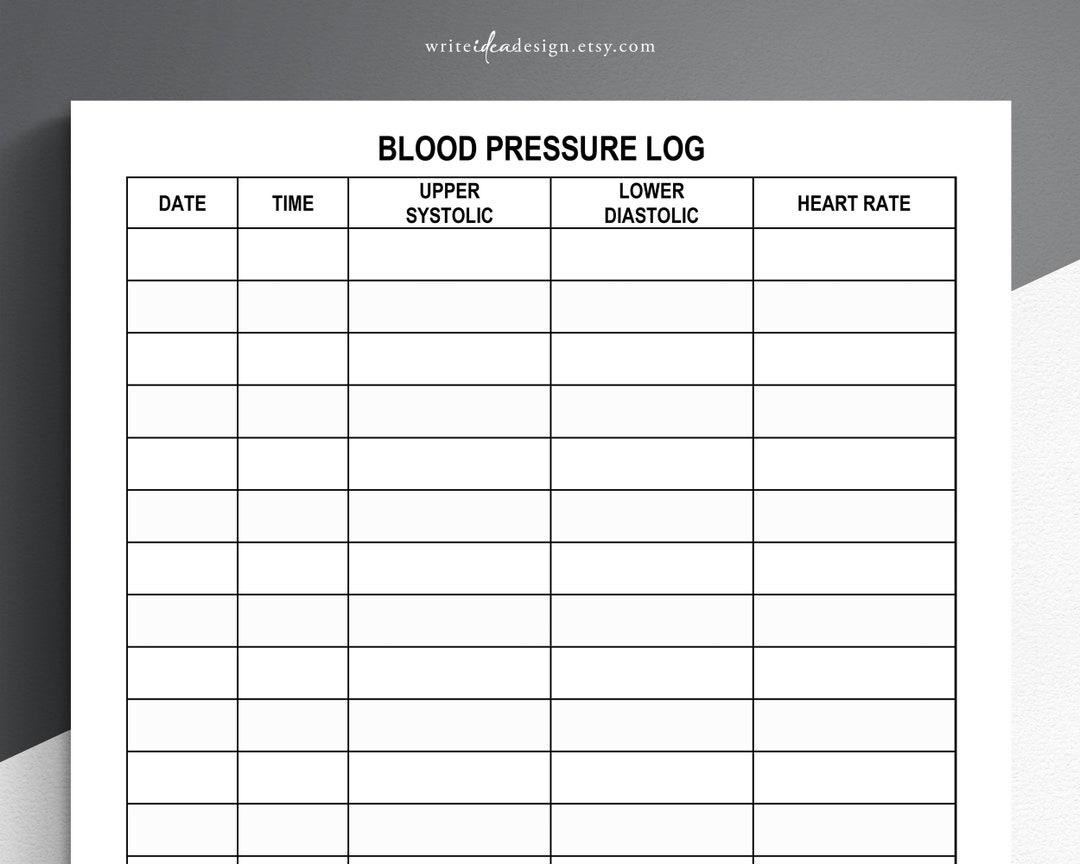
While the standard Free Printable Blood Pressure Chart Tracker is effective, some users may want to customize their sheets. Here are a couple of options:
- Add Color Coding: Use different colors to highlight readings that are in different ranges (e.g., normal, elevated, or high). This visual cue can make it easier to spot trends at a glance.
- Include Notes: There’s often space at the bottom or side of the tracker to add notes regarding diet, exercise, or medication changes. This can help correlate your readings with lifestyle factors.
By following this guide and regularly using the Free Printable Blood Pressure Chart Tracker, you can build a routine that not only helps you track your progress but also empowers you to take control of your health. Whether you’re managing your own blood pressure or assisting a loved one, this tool can make a significant difference in understanding and improving cardiovascular health.