
One question many parents and educators face is how to effectively help children learn multiplication. A Blank Times Table 1-12 can be an excellent tool for facilitating this learning process. It’s a straightforward printable resource that can be tailored to fit various teaching methods and learning styles, making it especially useful for managing educational goals at home or in the classroom.
Understanding the Blank Times Table 1-12
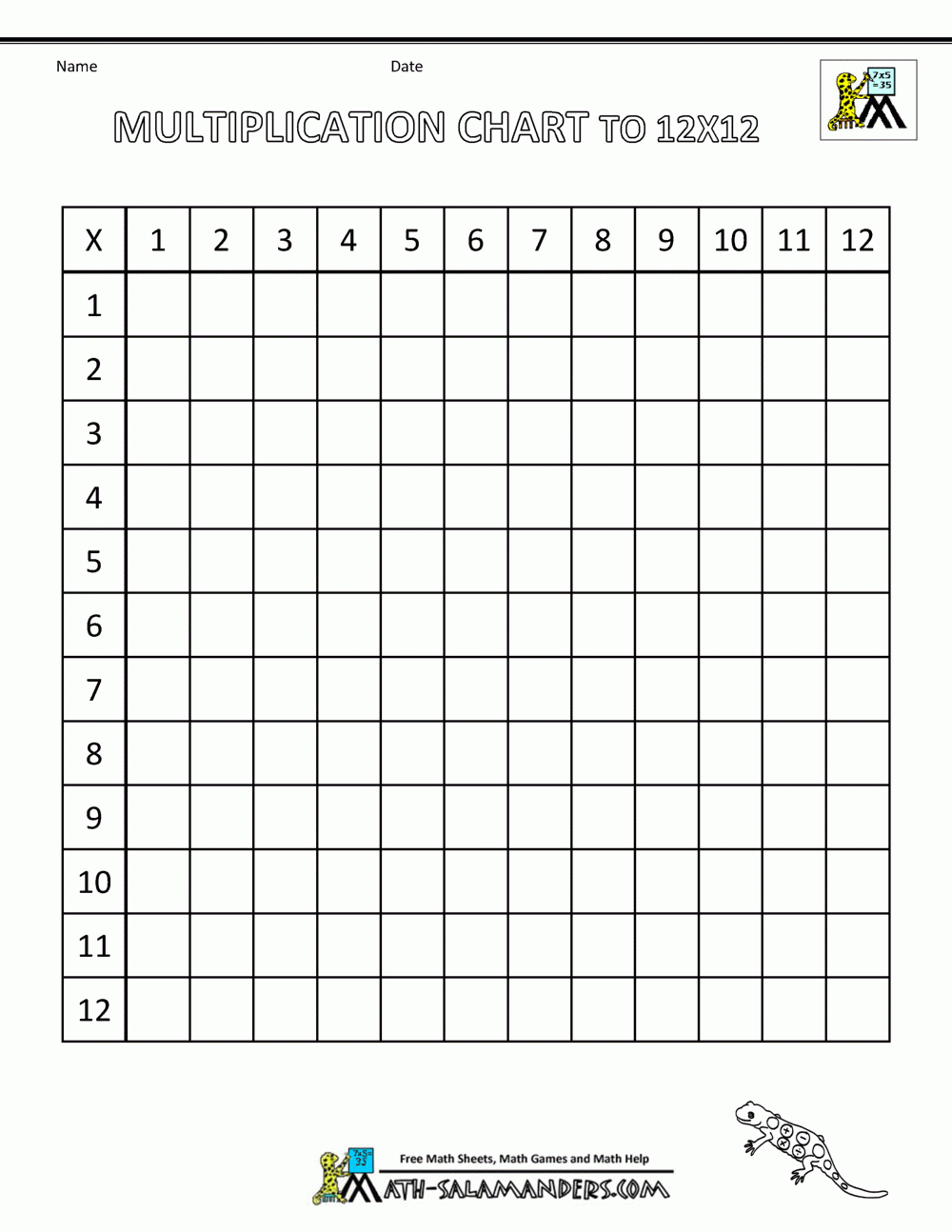
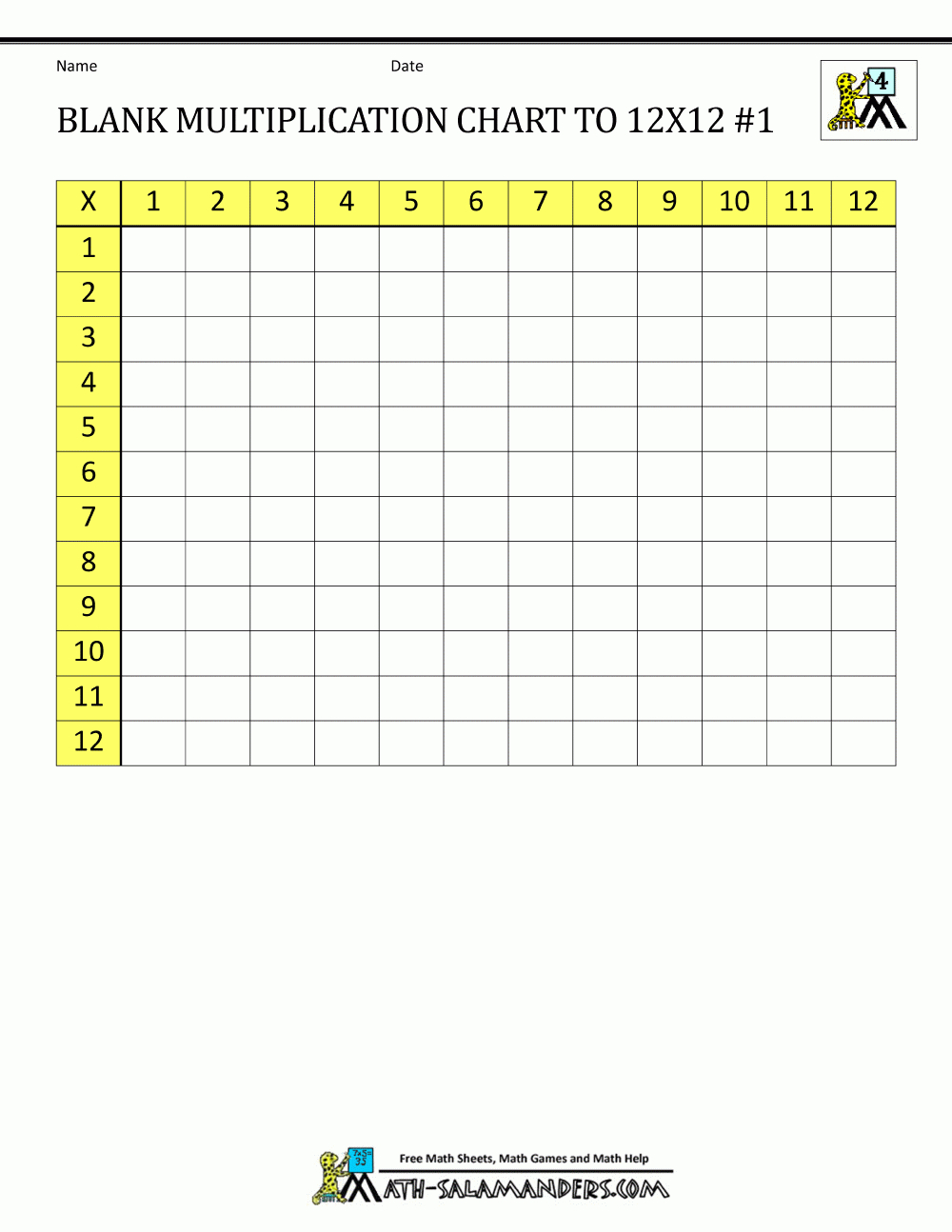
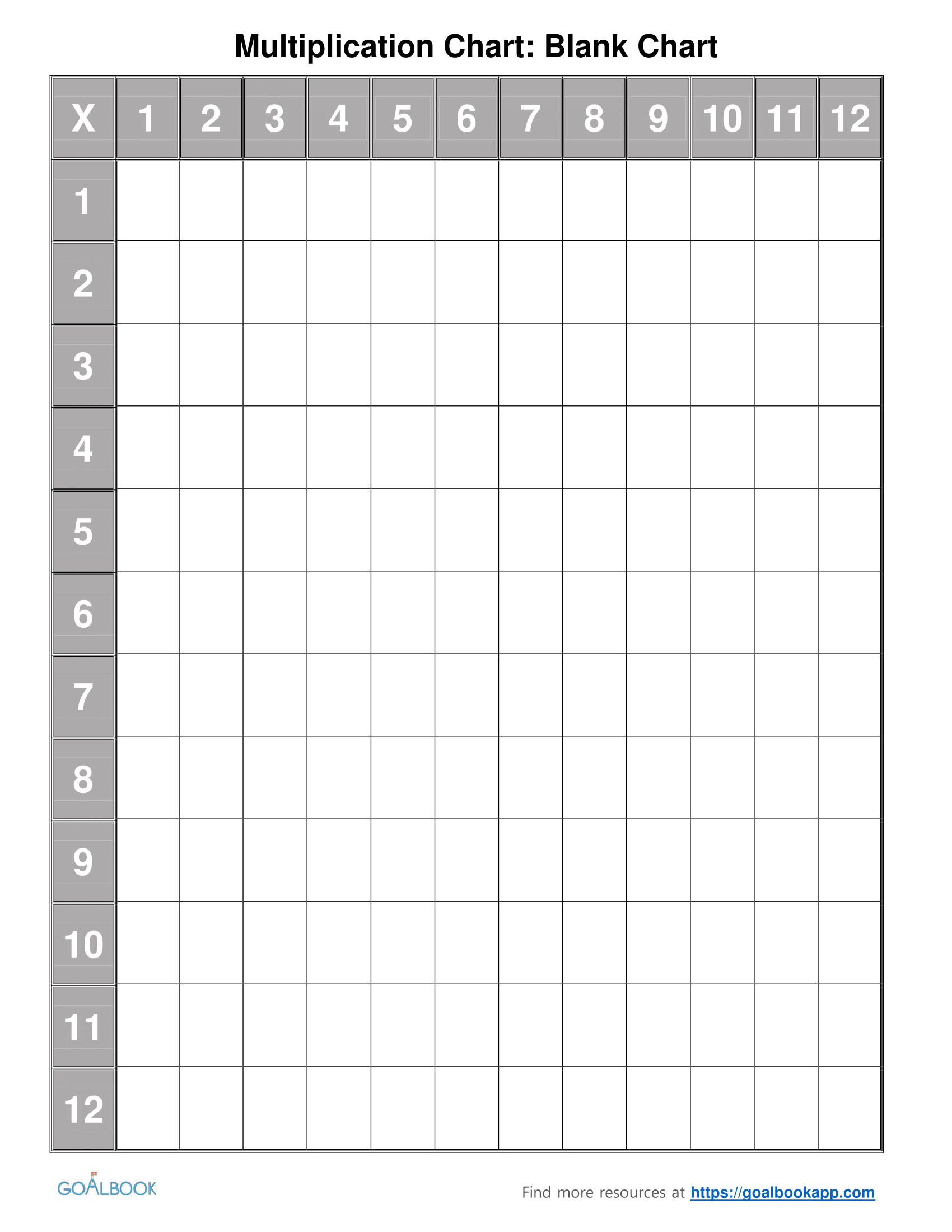
At its core, the Blank Times Table 1-12 is a grid that allows students to fill in multiplication facts for numbers 1 through 12. This resource typically features rows and columns where one axis lists the numbers from 1 to 12 and the other axis also lists the same numbers. The intersections of these rows and columns are where multiplication results will be filled in, such as 3 x 4 = 12.
This format not only helps students visualize multiplication but also reinforces their understanding of number relationships. By filling in the table, learners can see patterns emerge, such as the commutative property of multiplication (e.g., 3 x 4 is the same as 4 x 3).
Using the Blank Times Table 1-12 in Different Settings
Classroom Use
In a classroom setting, the Blank Times Table 1-12 can be used in various ways:
- Group Activities: Divide students into small groups and have them fill in the table collaboratively. This encourages discussion about multiplication and helps students learn from one another.
- Individual Practice: Hand out the blank tables for students to complete as homework or during classwork. This reinforces their multiplication skills and allows teachers to assess understanding.
- Assessment Tool: Use the completed tables as an informal assessment of students’ multiplication knowledge. This can guide future lesson planning.
Homeschooling Applications
For homeschooling parents, the Blank Times Table 1-12 provides a structured way to teach multiplication without requiring extensive preparation time. Here’s how you can incorporate it into your curriculum:
- Daily Drills: Make it a routine to fill out part of the table each day. This repetitive practice can greatly enhance memory retention.
- Games and Competitions: Turn filling in the times table into a game. Set a timer and see how quickly your child can complete it, or challenge them to do it from memory.
- Visual Aids: After filling in the table, use it to create flashcards. Write the multiplication questions on one side and the answers on the other, which can be useful for quick reviews.
Digital Vs. Print: Which Method to Choose?
When it comes to using the Blank Times Table 1-12, you have the option of digital or print formats. Each has its own advantages, and the choice often depends on your specific needs.
Digital Completion
Using a fillable PDF version of the times table allows for easy corrections and adjustments. If a mistake is made, your child can simply erase or change the answer without wasting paper. This format is particularly beneficial for older students who may find it easier to type in their answers rather than write them out by hand.
However, keep in mind that some children may benefit from the tactile experience of writing by hand, which can aid in memory retention.
Printed Completion
On the other hand, printing out the Blank Times Table 1-12 for hand-written completion can provide a more engaging experience for younger children. Using colored pencils or markers can make the process more enjoyable. Additionally, the physical act of writing can help reinforce learning.
If you choose to print, consider using cardstock for durability, especially if you plan on using the resource multiple times. You can also laminate the sheets, allowing for dry-erase markers to be used, making the tables reusable.
Tips for Maximizing the Effectiveness of the Times Table
Here are some strategies to enhance the effectiveness of the Blank Times Table 1-12:
- Color Coding: Use different colors for different sets of facts (e.g., red for the 2s, blue for the 3s). This can help visually differentiate between the multiplication tables and make learning more engaging.
- Incorporate Real-Life Examples: Discuss how multiplication is used in everyday life, such as calculating the total cost of multiple items or determining how many groups of a certain size can be made from a larger number.
- Encourage Peer Teaching: If your child is working with siblings or classmates, encourage them to explain their thought process to one another. Teaching others can reinforce their own understanding.