
When it comes to teaching multiplication, having a reliable resource can make all the difference. The Free 1-12 Multiplication Chart is a fantastic tool that can help your homeschooler grasp the concept of multiplication more easily. Unlike some worksheets or flashcards that may overwhelm young learners, this chart provides a clear and straightforward layout that can be referenced throughout the school year.
Understanding the Free 1-12 Multiplication Chart
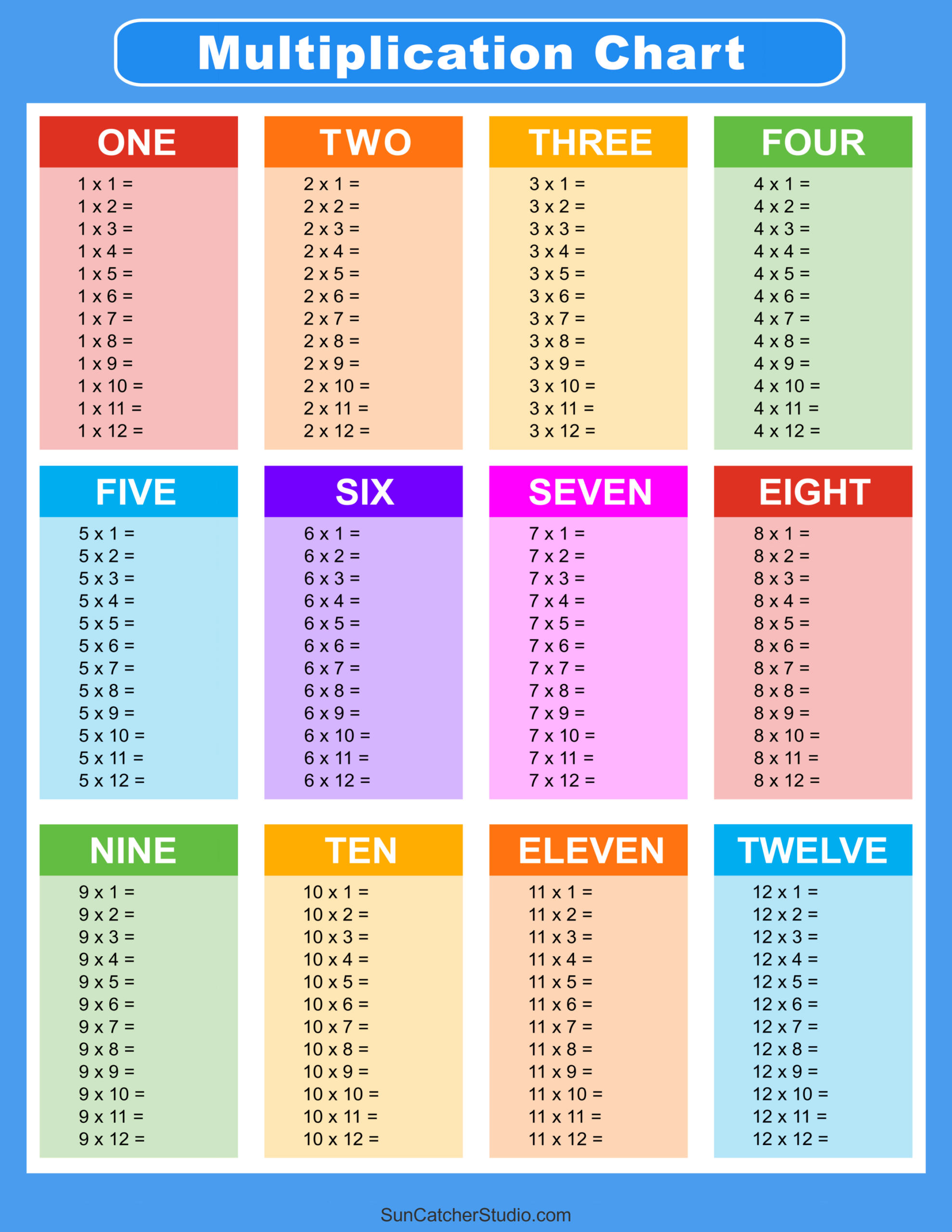
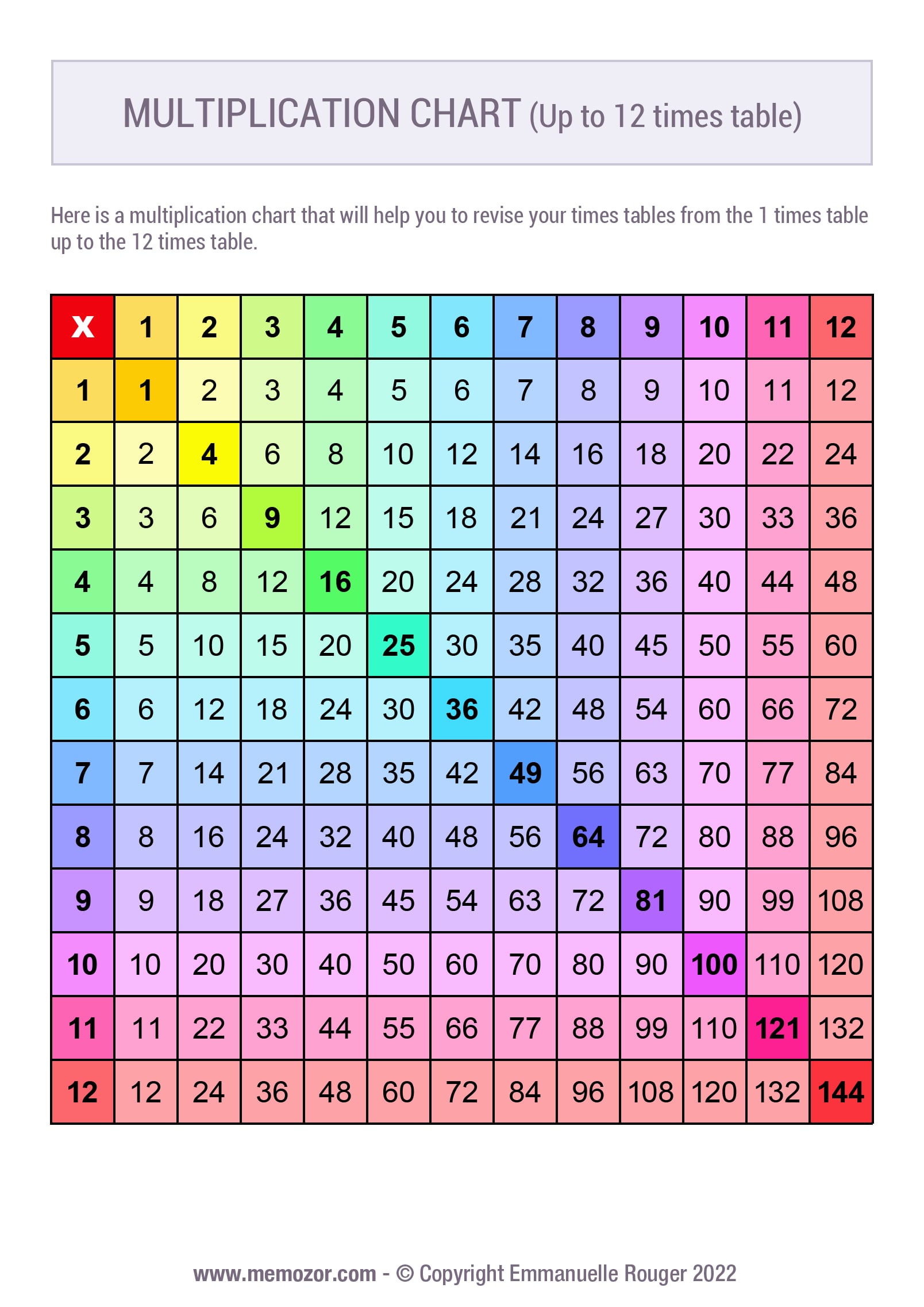
At its core, the Free 1-12 Multiplication Chart is designed to be both a learning aid and a reference tool. The chart displays numbers 1 through 12 along both the horizontal and vertical axes, allowing students to find the product of two numbers quickly. For instance, if your child needs to know what 7 times 8 is, they can simply find 7 on the left side and follow it across to 8 on the top. The intersection gives the answer: 56. This visual representation not only aids in memory retention but also helps students understand the relationships between numbers.
How to Use the Chart Effectively
Using the Free 1-12 Multiplication Chart is straightforward, but there are some effective strategies to maximize its benefits. Here are a few tips based on my experiences:
- Daily Practice: Incorporate the chart into your daily math routine. Spend a few minutes each day reviewing different sections of the chart. This could involve covering certain rows or columns and asking your child to recall the products.
- Color-Coding: To make learning more engaging, consider color-coding the chart. For example, you could use different colors for even and odd products or highlight squares that are particularly challenging for your child.
- Games and Challenges: Turn learning into a game! Ask your child to race against the clock to find products within a minute. This can help build speed and confidence.
- Incorporate with Worksheets: Pair the multiplication chart with worksheets that require your child to fill in answers based on the chart. This reinforces their learning and helps them become more comfortable with multiplication facts.
Printing and Presentation Tips
When it comes to printing the Free 1-12 Multiplication Chart, presentation matters. Here are some tips to ensure it’s both visually appealing and functional:
- Paper Type: Print the chart on cardstock for durability. This is especially useful if your child will be using it frequently. If you plan to laminate it, cardstock is still the best choice as it holds up better against wear and tear.
- Size Matters: You can print the chart in various sizes, but I recommend a larger format like 11×17 inches. This size makes it easy for students to read and reference, whether they’re working at a desk or on the floor.
- Portrait vs. Landscape: A portrait layout usually works best for this type of chart, allowing it to fit neatly on most walls or bulletin boards. If space allows, consider hanging it up where your child can see it daily.
Where to Use the Multiplication Chart
The Free 1-12 Multiplication Chart can be utilized in various settings, making it a versatile addition to your homeschooling toolkit. Here are a few suggestions on where to incorporate it:
- Learning Station: Create a dedicated math corner in your home where the chart is prominently displayed. This encourages your child to refer to it whenever they’re working on math assignments.
- Study Sessions: Use the chart during study sessions, especially before quizzes or tests. Having it nearby can help alleviate anxiety and provide a quick reference.
- Group Learning: If you have multiple children, consider using the chart during group learning activities. It can foster collaboration and discussion about multiplication concepts.
Adapting the Chart for Different Learning Styles
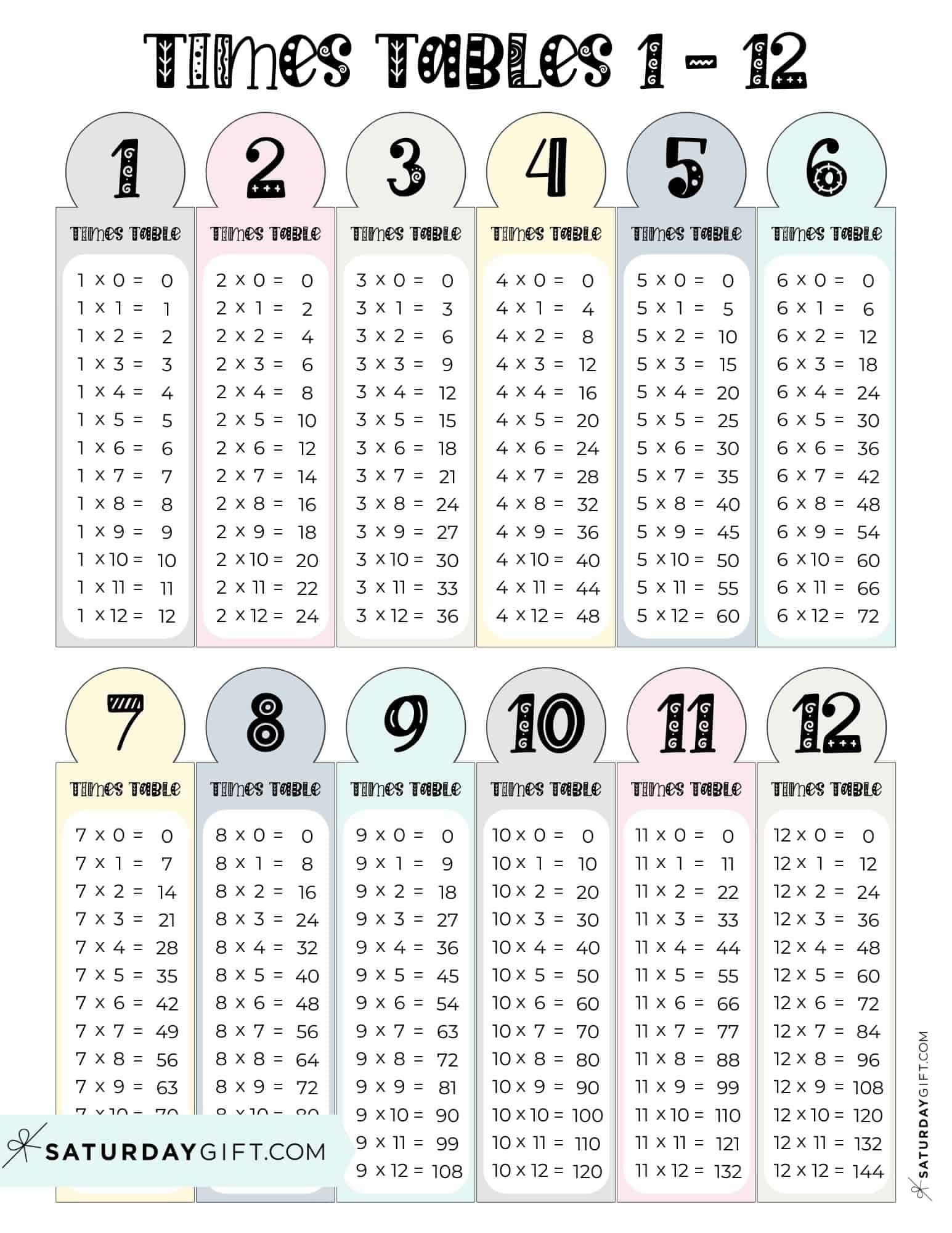
Every child learns differently, and the Free 1-12 Multiplication Chart can be adapted to suit various learning styles. Here’s how:
- Visual Learners: For children who learn best visually, encourage them to trace the numbers with their fingers or use highlighters to mark their progress.
- Kinesthetic Learners: Pair the chart with physical activities. For example, you could create a multiplication hopscotch game where each square represents a product from the chart.
- Auditory Learners: Use songs or rhymes to help memorize multiplication facts. You can refer back to the chart during these activities to reinforce learning.