
Using a Math Aids Blank Multiplication Chart can be a game-changer for organizing and facilitating math learning. If you are a teacher, a parent, or a student, this resource allows for efficient practice and mastery of multiplication facts. In this article, I’ll guide you through the features of the chart, how to fill it out, and tips on integrating it into your daily routine.
What is a Blank Multiplication Chart?
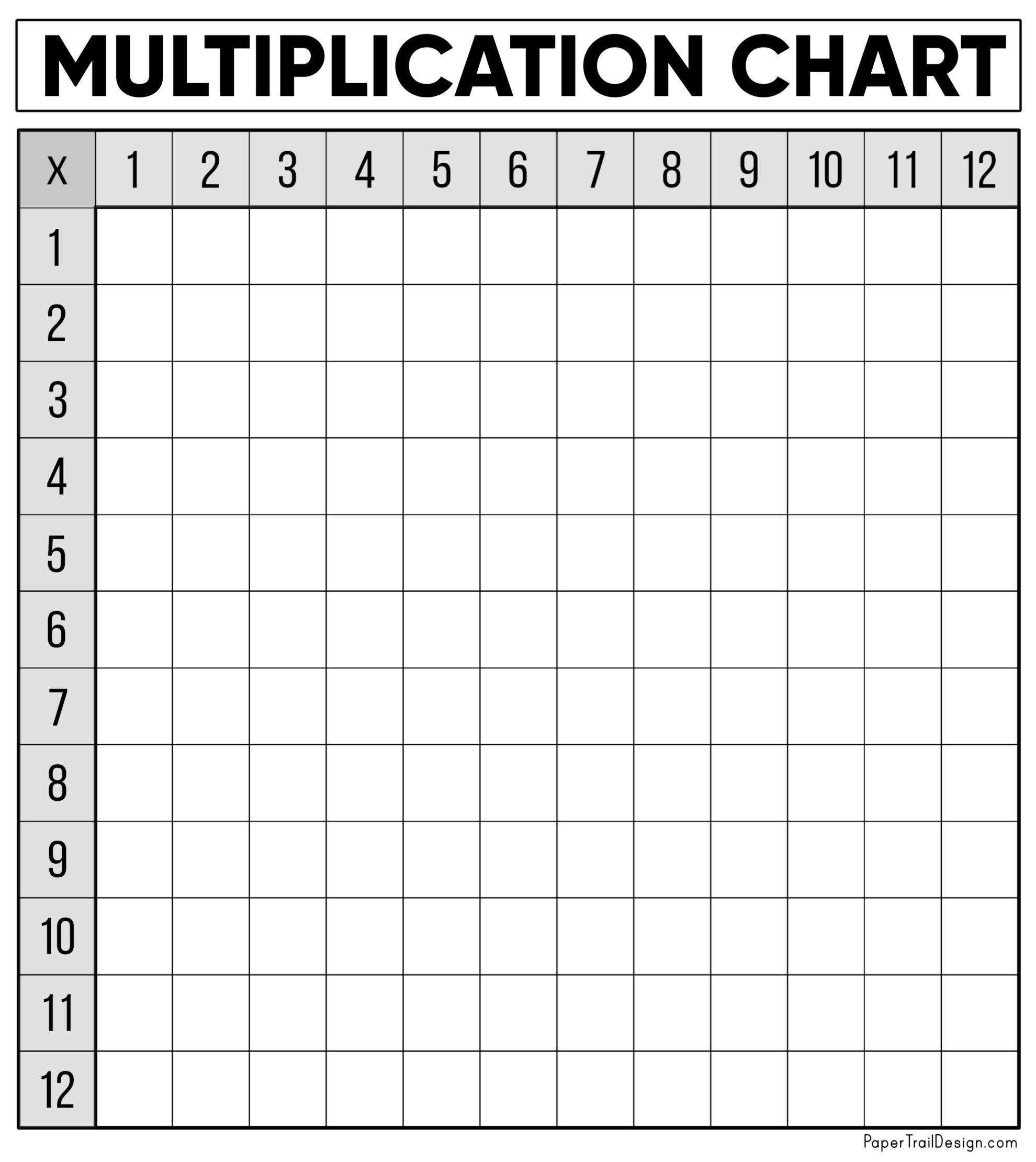
A blank multiplication chart is a simple grid that allows users to fill in multiplication facts. Typically, it features rows and columns representing numbers that are multiplied together. For example, the top row may list numbers 1 through 12, and the leftmost column lists the same numbers. The intersection of a row and column gives the product of those two numbers.
This format is beneficial for students who are in the early stages of learning multiplication, typically around grades 2-4. It helps reinforce their understanding of how multiplication works and serves as a handy reference tool as they practice.
How to Use the Math Aids Blank Multiplication Chart
Filling in the Chart
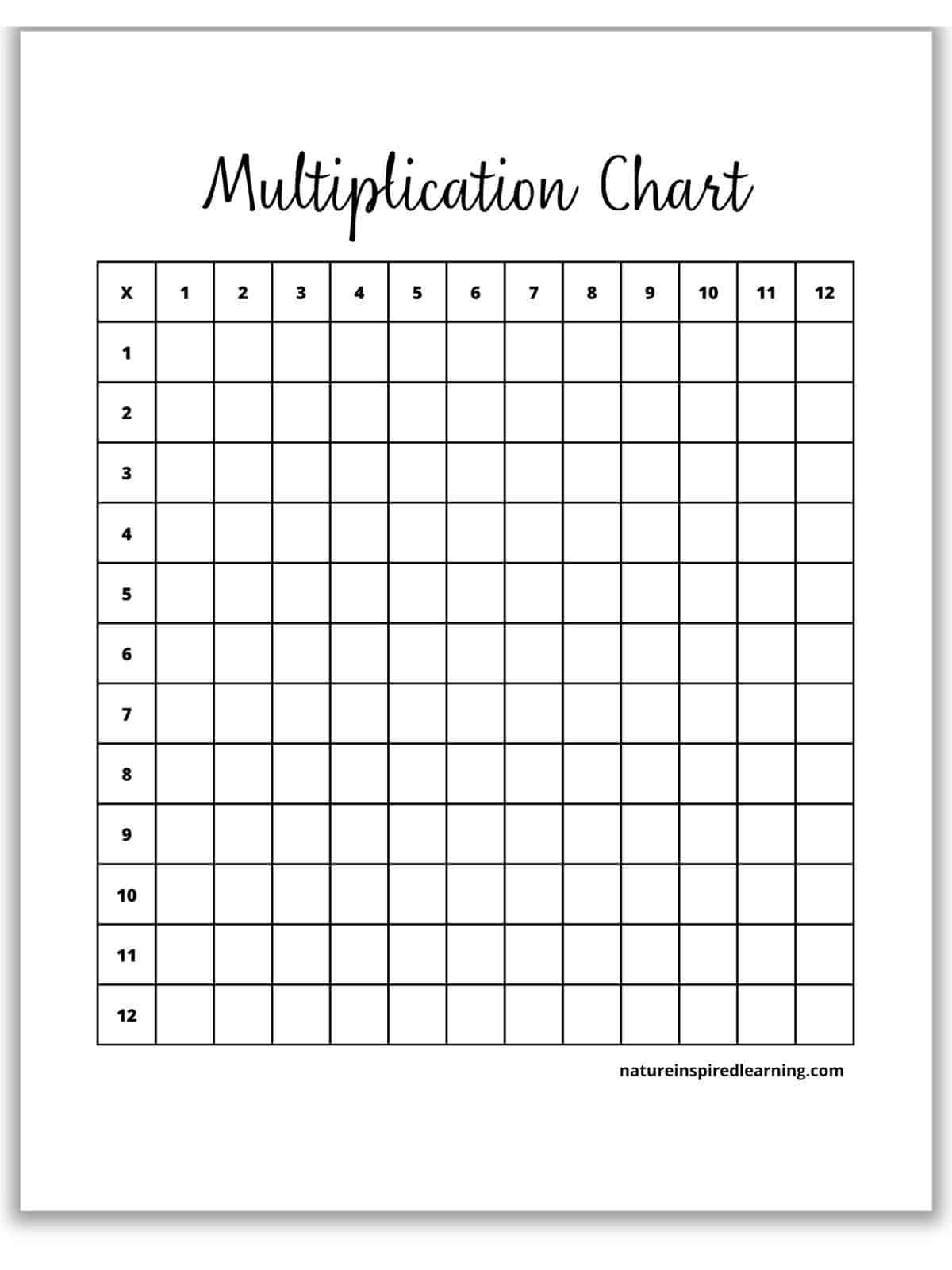
- Print the Chart: First, download and print the Math Aids Blank Multiplication Chart. Ensure you select a portrait or landscape layout based on your printing preferences. Portrait layout often fits better on standard A4 paper.
- Choose Your Method: Decide whether you want to fill it out digitally or by hand. If you’re using a fillable PDF version, you can type in the answers directly. If you prefer to write, use a good quality pen or pencil to avoid smudging.
- Start Filling: Begin at the top left corner of the chart. Multiply the number in the top row by the number in the leftmost column. Write the product in the corresponding cell. For example, if you’re filling in the cell where 4 and 5 intersect, write “20”.
- Work Systematically: It’s often helpful to fill in one row or column at a time. This way, you can focus on one set of multiplication facts before moving on to the next.
Organizing the Filling Process
- Color Coding: If you’re using the chart for educational purposes, consider color-coding the filled-in numbers. For instance, use one color for products of two, another for three, and so on. This visual aid can help in recognizing patterns.
- Set Goals: Aim to complete specific sections of the chart within a given time frame. This can motivate students and provide a sense of accomplishment as they master different multiplication facts.
Benefits of Using a Blank Multiplication Chart
Using the Math Aids Blank Multiplication Chart offers several advantages:
- Visual Learning: It provides a clear visual representation of multiplication, making it easier for visual learners to grasp concepts.
- Practice Tool: The chart serves as an excellent practice tool, allowing users to reinforce their multiplication skills repetitively.
- Customization: Since it’s a blank chart, you can customize it for different levels of learners. Younger students may only need to fill out products up to 5, while older students can tackle the entire chart.
- Reference: Once filled in, it becomes a quick reference guide for students to check their work or help them with homework assignments.
Digital Vs. Print Completion
When considering whether to fill in the chart digitally or by hand, think about the context and your preferences:
- Digital Completion: If you opt for a fillable PDF, you can easily make changes and corrections. This method is also cleaner and can be reused multiple times without wasting paper. However, students may miss out on the tactile experience of writing by hand, which can enhance memory retention.
- Handwritten Completion: Writing by hand can be more beneficial for younger learners as it helps develop fine motor skills. It also encourages active engagement with the material. If you choose this method, using quality paper can prevent tearing and smudging.
Incorporating the Chart Into Daily Learning Routines
To maximize the effectiveness of the Math Aids Blank Multiplication Chart, consider incorporating it into your daily learning routine:
- Daily Practice: Set aside a few minutes each day for students to practice filling out parts of the chart. Consistency can significantly boost their confidence and skill level.
- Games and Challenges: Turn the practice into a game. Challenge students to fill out the chart as quickly as possible or to race against a timer. This can make learning multiplication more engaging.
- Use as Homework: Incorporate the chart into homework assignments. Asking students to fill out specific sections can reinforce what they learned in class.
Where to Find and Download
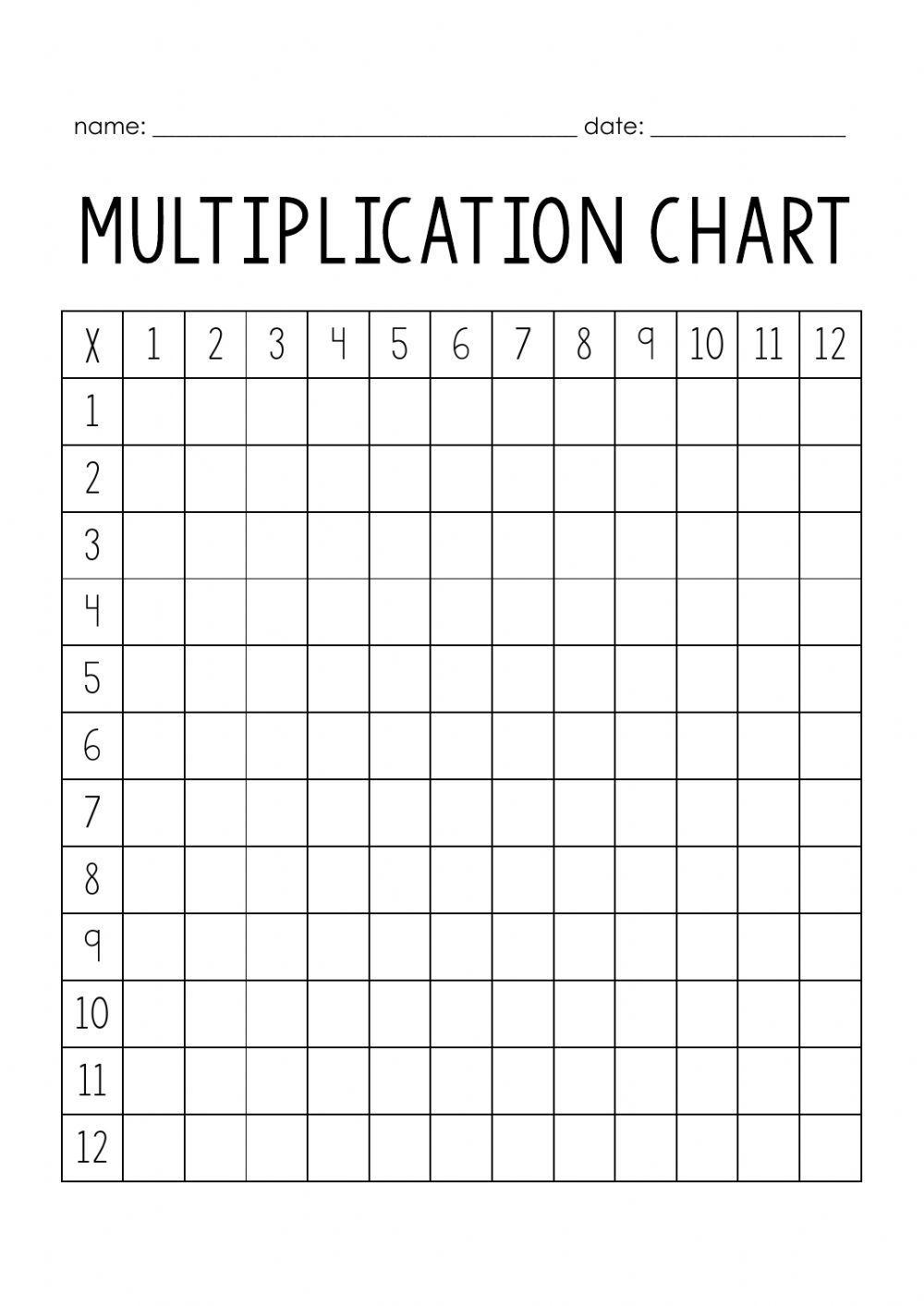
You can find the Math Aids Blank Multiplication Chart on various educational websites. Ensure you select a reputable source that provides free, printable resources. Typically, these charts are available in PDF format, making them easy to print and fill out.
Additional Resources
Alongside the multiplication chart, consider utilizing other math aids such as:
- Worksheets: These can provide targeted practice for specific multiplication problems.
- Coloring Pages: These can be fun for younger students while still reinforcing math concepts.
- Planners: Use a planner to track daily math goals or assignments related to multiplication practice.
With the Math Aids Blank Multiplication Chart, you’re well-equipped to enhance your multiplication skills or help a learner in your life. This resource is versatile and can adapt to various educational needs, making it a must-have for anyone involved in teaching or learning math.