
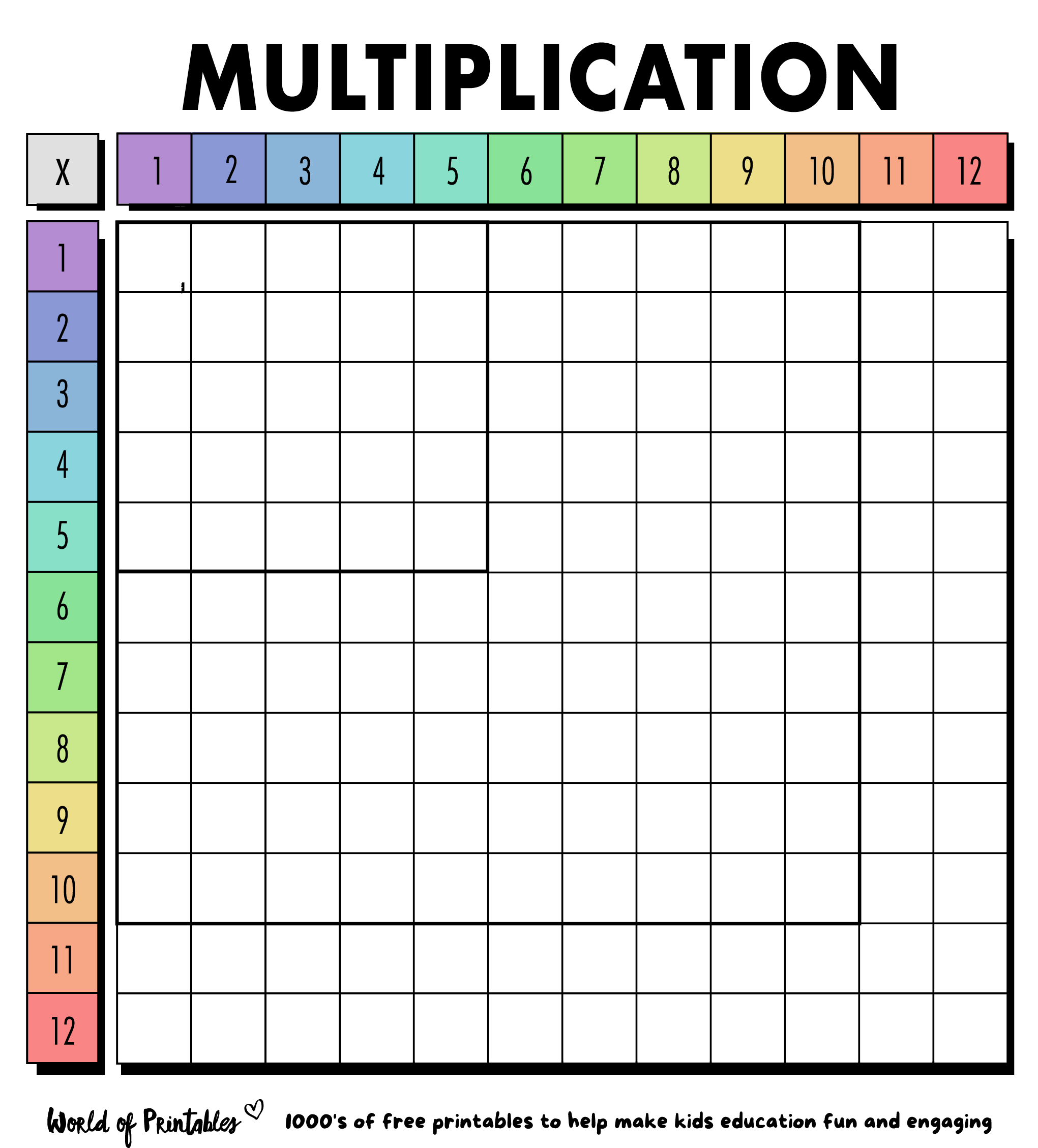
When it comes to mastering multiplication, having a clear and concise reference can make all the difference. The Multiplication Chart 1-12 Empty is a fantastic tool that helps learners visualize and memorize multiplication facts from 1 to 12. Unlike a filled-out chart, this empty version encourages active participation in the learning process, allowing you or your child to fill in the answers and reinforce understanding. In this article, I’ll guide you through the practical uses of this printable chart, how to fill it out effectively, and how it can fit into your daily routines.
Understanding the Multiplication Chart 1-12 Empty
At its core, the Multiplication Chart 1-12 Empty is a grid that outlines the multiplication facts from 1 through 12. The rows and columns are labeled with numbers, and the cells are left blank for users to fill in the product of the corresponding row and column. This layout is designed to help learners visualize the relationships between numbers and see patterns in multiplication.
Using an empty chart rather than a filled one allows learners to engage more deeply with the material. It transforms a passive learning experience into an active one. When you write down the answers, you’re more likely to remember them. This method is particularly effective for children who are just starting to learn multiplication or for anyone looking to brush up on their skills.
How to Use the Multiplication Chart Effectively
Filling It In
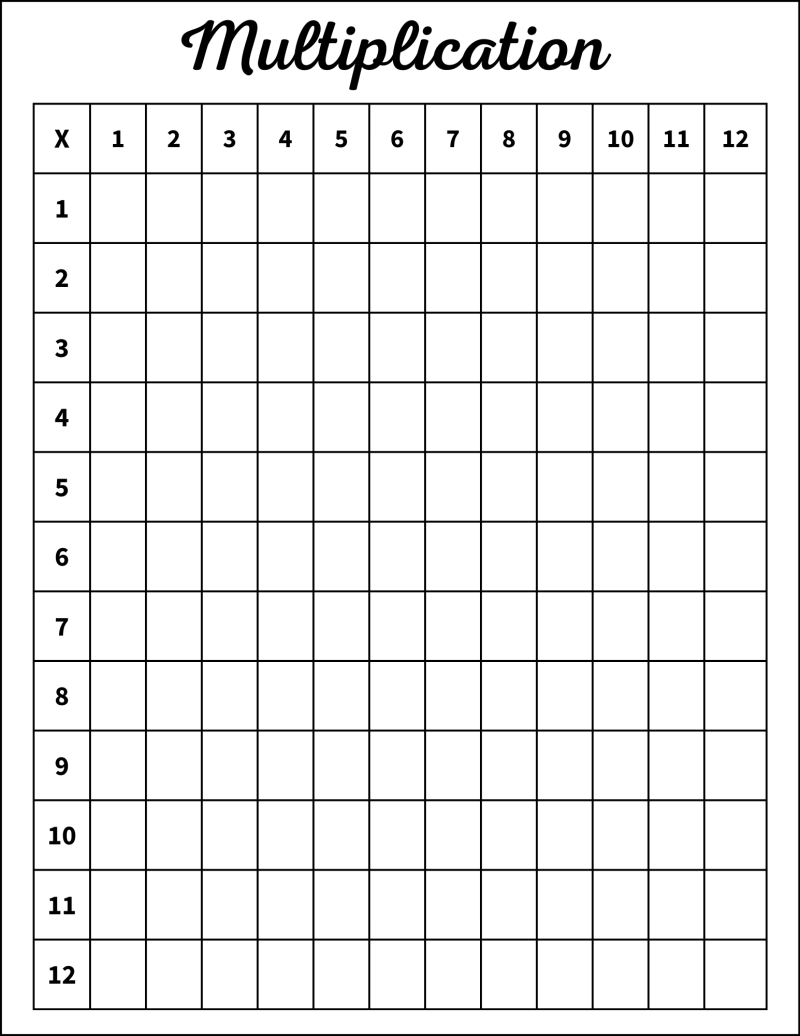
- Print the Chart: First, download and print the Multiplication Chart 1-12 Empty. Consider using a heavier paper, like cardstock, which can withstand repeated use, especially if you plan to laminate it for durability.
- Start with the Basics: Begin by filling in the easy products, such as 1 times any number (which is the number itself) and 2 times any number (which is just doubling). This will help build confidence.
- Use Different Colors: As you fill in the chart, consider using different colored pens or pencils for each row or column. This not only makes the chart visually appealing but also helps in recognizing patterns, like the fact that all multiples of 5 end in either 0 or 5.
- Practice Regularly: Set aside time each day or week to fill in parts of the chart. This repetition will reinforce learning and help commit multiplication facts to memory.
Digital Vs. Print Completion
You might wonder whether to fill in the chart digitally or by hand. Each method has its advantages:
- Digital Completion: If you prefer the clean look of a typed chart, filling it in using a PDF editor can be a great option. This is especially useful if you want to keep multiple versions for different learners or if you need to print multiple copies without wasting paper.
- Handwritten Completion: Writing by hand can enhance memory retention. The physical act of writing helps solidify the information in your mind, making it easier to recall later. Plus, it allows for a more personalized touch.
Incorporating the Chart Into Learning Routines
The Multiplication Chart 1-12 Empty can be a valuable part of a structured learning routine. Here are some ways to integrate it:
- Homework Helper: Use the chart as a reference during homework assignments. This can help reinforce what’s being learned in class and provide a quick reference for multiplication facts.
- Games and Quizzes: Turn filling in the chart into a game. Challenge your child to fill in as many cells as they can in a set time. This can add an element of fun to learning.
- Daily Practice: Hang the chart in a visible location, like on the fridge or above a study desk. Encourage regular check-ins where you or your child can fill in a few more cells each day.
Tips for Success With the Multiplication Chart
- Be Patient: Mastering multiplication takes time. Encourage learners to be patient with themselves and to celebrate small victories.
- Use Supplementary Materials: Pair the chart with other resources like flashcards or online quizzes to provide a well-rounded approach to learning multiplication.
- Track Progress: Keep a record of how many cells are filled in over time. This can motivate learners to keep going as they see their progress.
- Encourage Independence: As learners become more comfortable with multiplication, encourage them to use the chart independently. This promotes confidence in their skills.
Things to Watch Out For
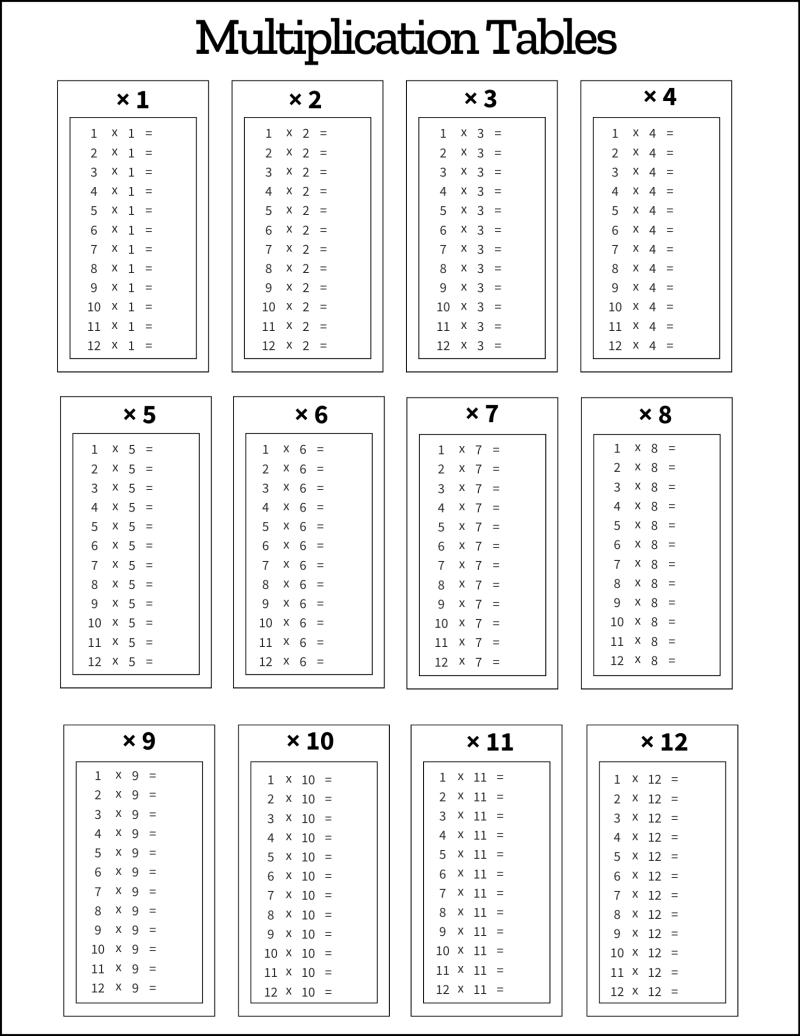
While the Multiplication Chart 1-12 Empty is a fantastic resource, a few caveats are worth mentioning. Ensure that the chart is printed with clear, legible lines so that filling it in is straightforward. If you choose to laminate it for reuse, make sure to use dry-erase markers that can easily be wiped off without damaging the surface. Also, keep in mind that some learners may need additional support or resources to fully grasp multiplication concepts, so don’t hesitate to seek out further educational materials as needed.
By integrating the Multiplication Chart 1-12 Empty into your learning routine, you can transform the sometimes daunting task of learning multiplication into an engaging and productive activity. The act of filling in the chart not only reinforces knowledge but also builds confidence. Whether you choose to fill it in digitally or by hand, this resource is a practical tool designed to aid in mastering multiplication facts.