
Using a Blank Tally Chart Printable Template For Primary Grades can be a game-changer in your homeschooling routine, especially when it comes to teaching basic counting and data collection skills. This simple yet effective tool is designed to help young learners organize and visualize their data in a way that’s engaging and educational. In this article, I will walk you through the practical uses, layout, and tips for making the most of this resource in your home classroom.
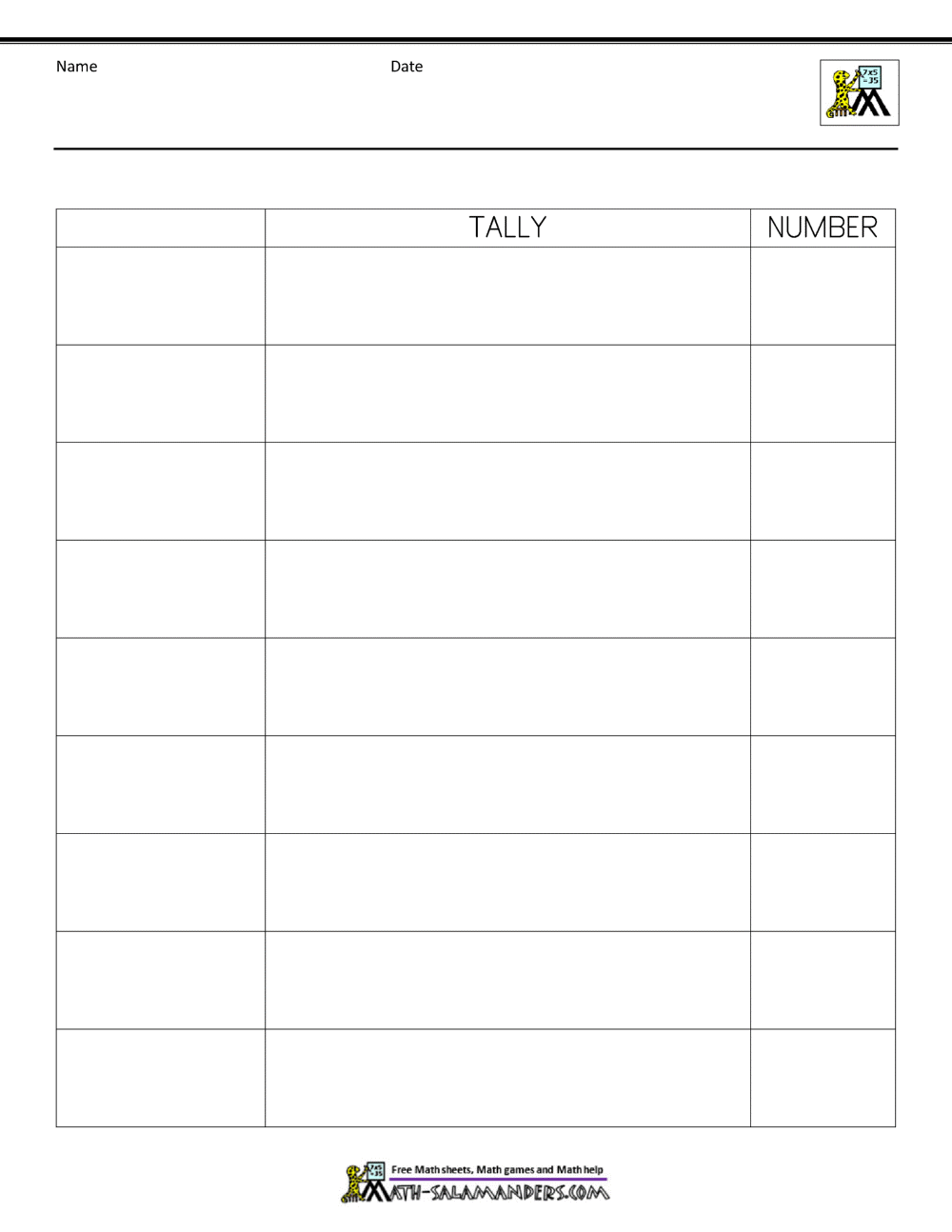
Understanding the Tally Chart Layout
At first glance, a tally chart might seem like just a grid with some lines. However, its design is intentional and serves several educational purposes. Typically, a blank tally chart consists of columns and rows where students can fill in their data. You’ll usually find the following sections:
- Categories: This is where students can write what they are counting (e.g., types of fruits, colors, etc.).
- Tally Marks: These are the lines they draw to represent counts, usually grouped in fives for easier reading.
- Total Count: A space for students to write the total number they counted at the end.
Understanding this layout can help you guide your children on how to use tally charts effectively. It’s a fantastic way to introduce them to basic statistics concepts in a fun and accessible manner.
Preparing to Use the Tally Chart
Before diving into the activity, it’s essential to have everything ready. Here are some practical steps to prepare for using a Blank Tally Chart Printable Template For Primary Grades:
- Choose a Topic: Decide what your child will be counting. This could be anything from the number of birds seen in the backyard to different colored crayons. Choose something that excites them.
- Print the Template: Make sure to print the template on standard letter-sized paper (8.5 x 11 inches) for ease of use. If you plan to laminate it for repeated use, cardstock is a great option as it holds up better.
- Gather Counting Materials: If your child is counting physical items, gather them together. For example, if they’re counting different types of snacks, lay them out where they can be easily accessed.
- Explain the Process: Walk through the tally chart with your child. Explain how to write down the categories, how to make tally marks, and how to calculate the total.
Having all these elements in place will make the activity smoother and more enjoyable for your child.
Filling Out the Tally Chart
Now that you have everything set up, it’s time to fill out the chart. Here’s how you can guide your child through the process:
- Start with Categories: Have your child write the categories in the first column. This is a great opportunity to practice handwriting and spelling.
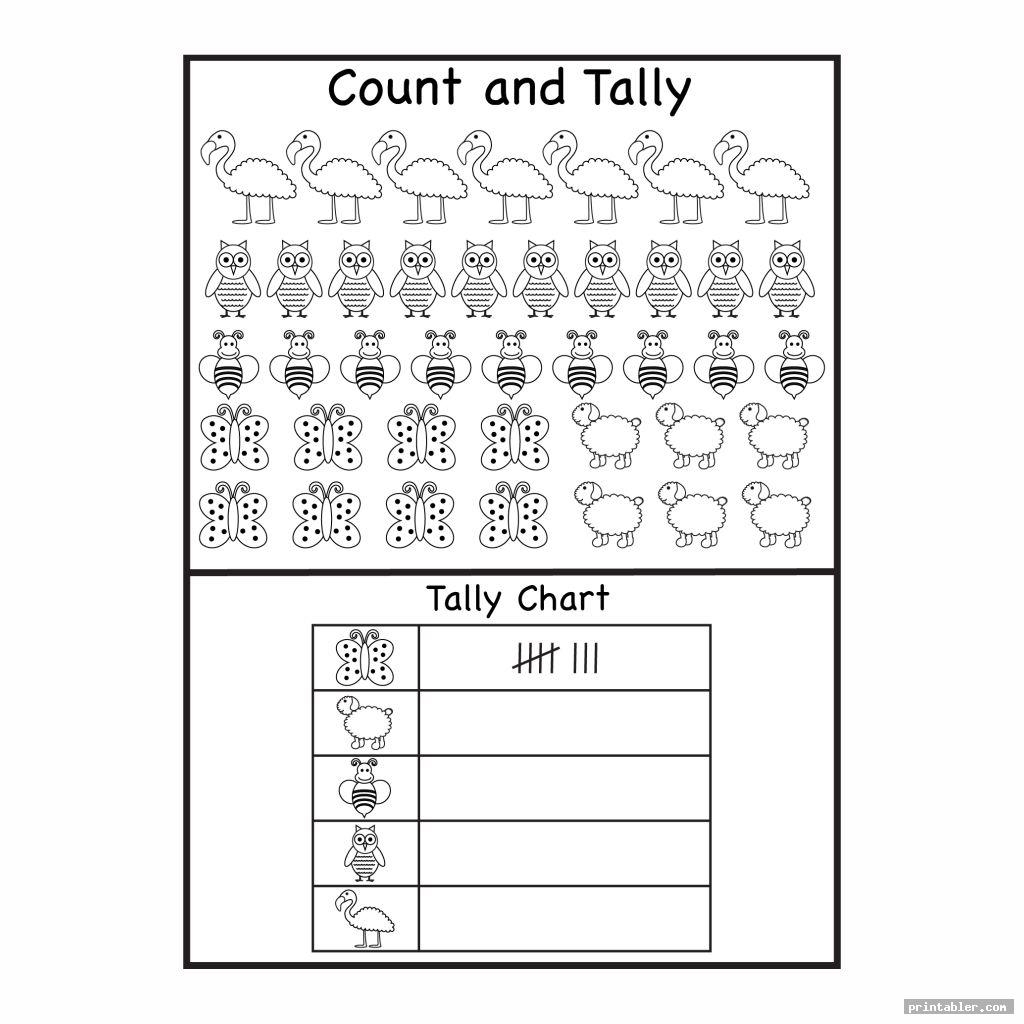
- Counting and Tallying: As your child counts each item, they can create tally marks in the next column. Remind them that every fifth tally should be crossed over to make reading easier. For example, if they counted three apples, they would write “|||”.
- Calculating Totals: After tallying, guide your child to count the tally marks and write the total in the last column. This reinforces addition skills and helps them understand that data can be summarized.
- Discuss Findings: Once the chart is filled out, talk to your child about their findings. Ask questions like, “Which item did you count the most?” or “How many more red crayons did you have compared to blue?” This encourages critical thinking and comprehension.
Incorporating Tally Charts Into Weekly Planning
Using a Blank Tally Chart Printable Template For Primary Grades doesn’t have to be a one-time activity. You can incorporate it into your weekly planning to keep your child engaged. Here are some ideas:
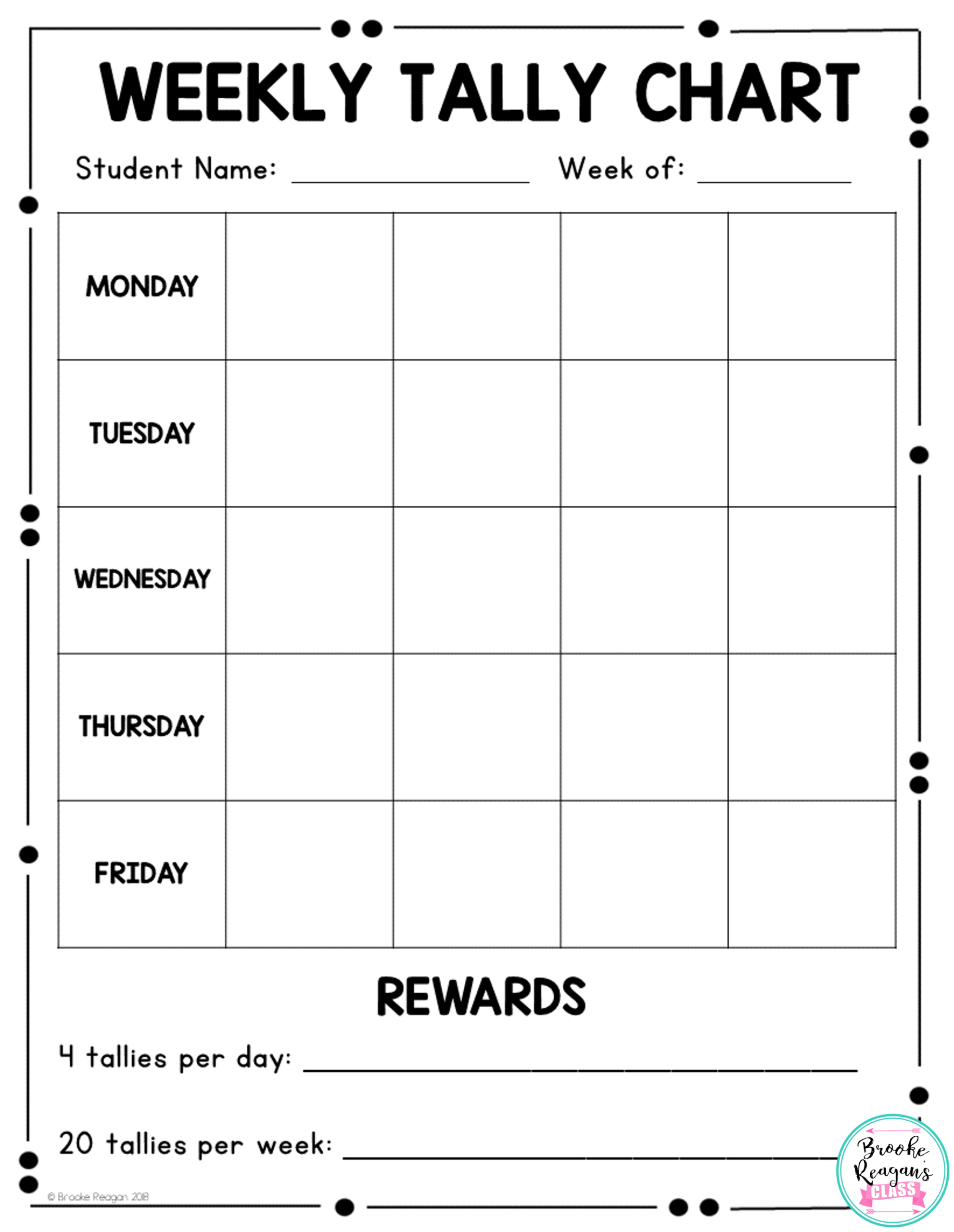
- Daily Counting: Have a tally chart dedicated to daily observations, like how many cars pass by your house or how many birds visit your feeder. This can turn into an exciting daily ritual.
- Weekly Themes: Each week, choose a new theme for counting. One week could be about fruits, the next week about toys, and so on. This keeps the activity fresh and exciting.
- Comparative Analysis: At the end of each week, compare the tally charts from different days. Discuss what patterns they see, which days had more or less, and explore the reasons behind these trends.
Educational Benefits of Tally Charts
The benefits of using a tally chart go beyond just counting. Here are some educational advantages that come with this engaging activity:
- Data Organization: Tally charts help children learn how to organize information systematically and understand the basics of data collection.
- Counting Skills: Practicing tally marks reinforces counting skills and helps children visualize quantities.
- Critical Thinking: Analyzing the data they collect encourages children to think critically about their findings and make comparisons.
- Math Foundations: Using tally charts lays a foundation for more advanced math concepts, such as graphing and statistics.
Incorporating a Blank Tally Chart Printable Template For Primary Grades into your homeschooling activities can turn simple counting exercises into a multifaceted learning experience.
Final Tips for Successful Use
As you embark on your tally chart journey, here are a few final tips to ensure success:
- Encourage Creativity: Let your child decorate their tally chart with colors or stickers. This adds a personal touch and makes the activity more enjoyable.
- Regular Practice: The more often your child practices, the more proficient they will become. Consider having a tally chart as part of your daily or weekly routine.
- Use Technology: If your child enjoys technology, consider using apps or websites that incorporate tallying games. This can reinforce the concepts learned with the printable template.
- Reflect on Progress: Periodically review the tally charts created over time. This not only shows progress but also allows for discussions about what they’ve learned.
By actively involving your child in the process and making it fun, using a Blank Tally Chart Printable Template For Primary Grades can be an enriching and enjoyable part of your homeschooling toolkit.