
When teaching multiplication, having a clear and accessible reference can make all the difference. A Downloadable Free Printable Multiplication Chart is an essential tool for homeschool families, serving as a quick reference guide for students learning their multiplication tables. This chart typically features numbers 1 through 12, arranged in a grid format to help students visualize and memorize multiplication facts easily.
Understanding the Layout of the Multiplication Chart
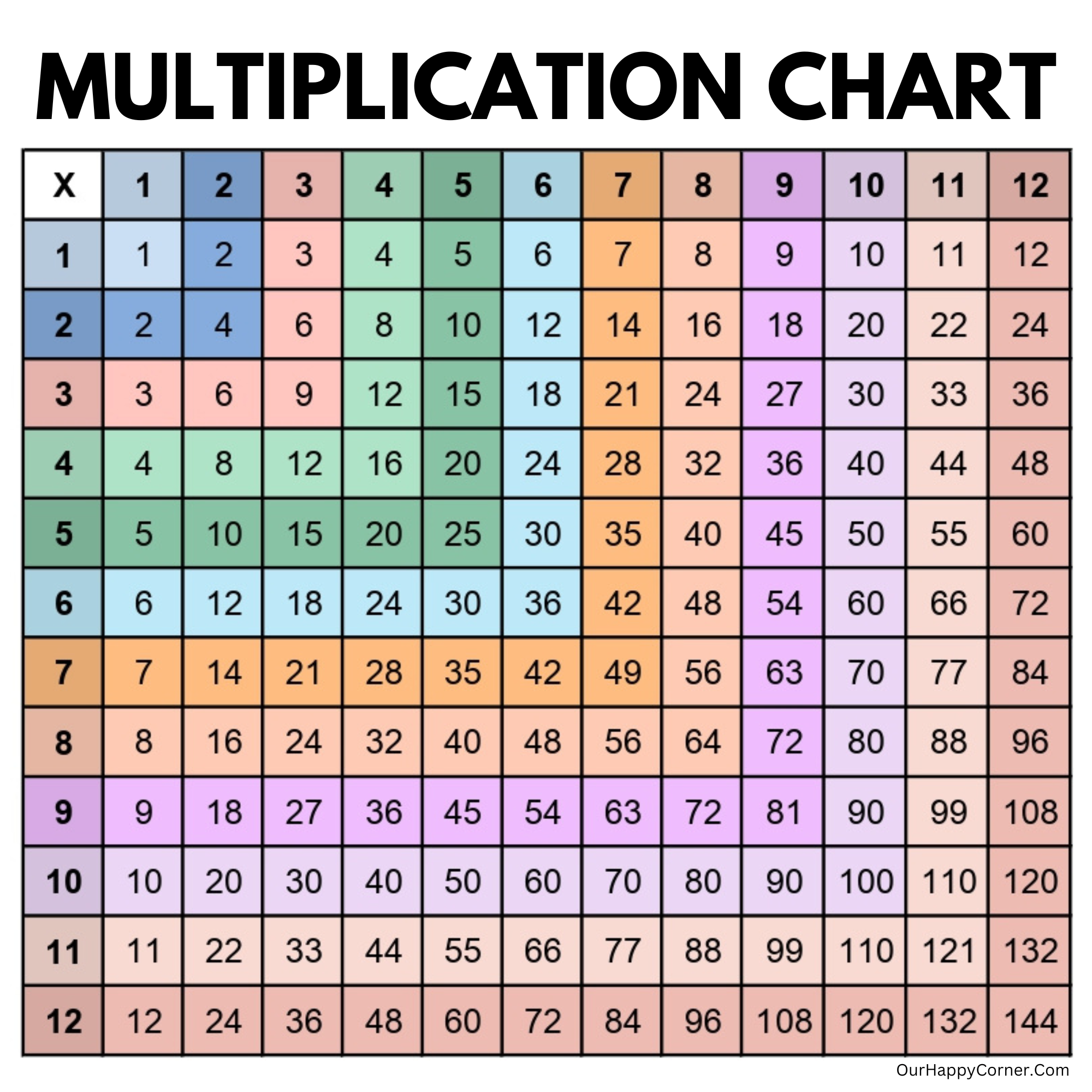
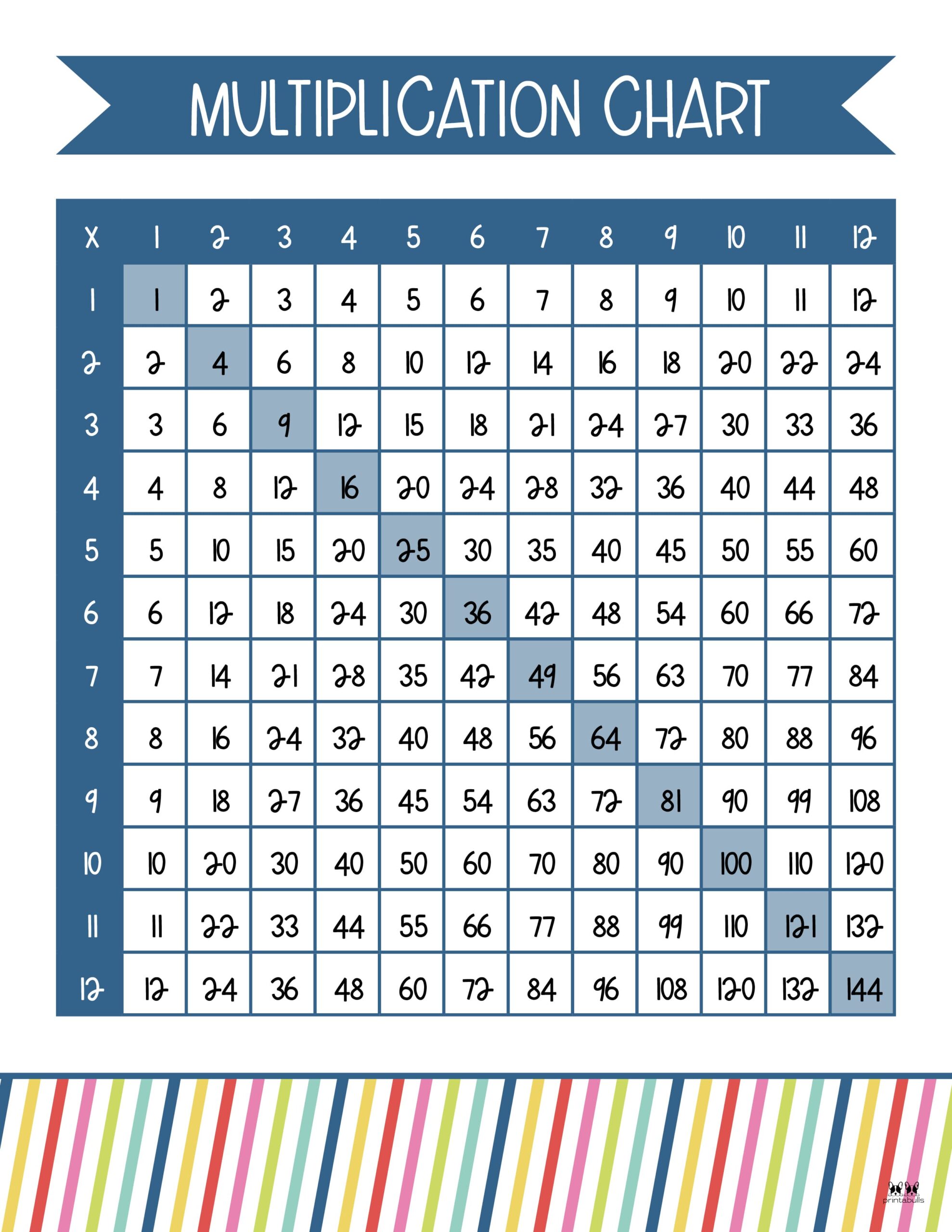
The standard multiplication chart layout is quite intuitive. You’ll find numbers along the top and left sides of the chart, representing the factors being multiplied. The intersection of these rows and columns contains the product of those numbers. For example, if you look at the row for 7 and the column for 8, you’ll find the number 56 in the intersecting cell, showing that 7 multiplied by 8 equals 56.
This design not only simplifies the process of learning multiplication but also encourages students to engage with math visually. By seeing the patterns in the multiplication table, like how every number in a row is a multiple of the number at the start of that row, children can develop a deeper understanding of how multiplication works.
How to Use the Multiplication Chart Effectively
Using the chart effectively is key to maximizing its educational benefits. Here are some practical strategies:
- Daily Practice: Incorporate the multiplication chart into your daily math routine. Spend a few minutes each day reviewing specific rows or columns. This repetition helps reinforce memory.
- Highlight Patterns: Point out patterns such as the even numbers in the multiplication table (every second number) or the relationship between the numbers (for instance, 3 x 4 is the same as 4 x 3).
- Games and Activities: Turn learning into a game! Challenge your kids to fill in a blank multiplication chart or race against the clock to answer questions based on the chart’s information.
By using the chart in these ways, you create a fun and interactive learning environment that can help your children grasp multiplication concepts more firmly.
Where to Place the Multiplication Chart
After you’ve printed your Downloadable Free Printable Multiplication Chart, consider where to display it for maximum effectiveness. Here are a few ideas:
- Learning Space: Hang it in your designated learning area, whether that’s a dedicated classroom or a corner of your living room. Having it visible during lessons can prompt students to refer to it often.
- Binders and Notebooks: You can also include the chart in a math binder or notebook. This makes it easy for students to pull it out and refer to it during assignments or when they need a quick reminder.
- Refrigerator or Wall: A common area like the refrigerator door can serve as a constant reminder. Kids can glance at it while grabbing a snack, reinforcing their learning in everyday situations.
Common Mistakes to Avoid
While using a multiplication chart, there are a few common pitfalls that you should be aware of:
- Relying Solely on the Chart: While the chart is a fantastic resource, it’s essential that students also practice recalling multiplication facts without it. Encourage them to use the chart as a reference but not as a crutch.
- Ignoring Patterns: Students might overlook the patterns inherent in the multiplication table. Make sure to highlight these, as understanding them can significantly boost their confidence and speed in solving problems.
- Neglecting to Update: As children progress, you might want to add more complex multiplication problems or even create an advanced version of the chart that includes larger numbers. Keeping it fresh and challenging can maintain engagement.
Additional Features of the Downloadable Free Printable Multiplication Chart
While the basic multiplication chart is straightforward, some downloadable versions may offer additional features. Here are some options to look for:
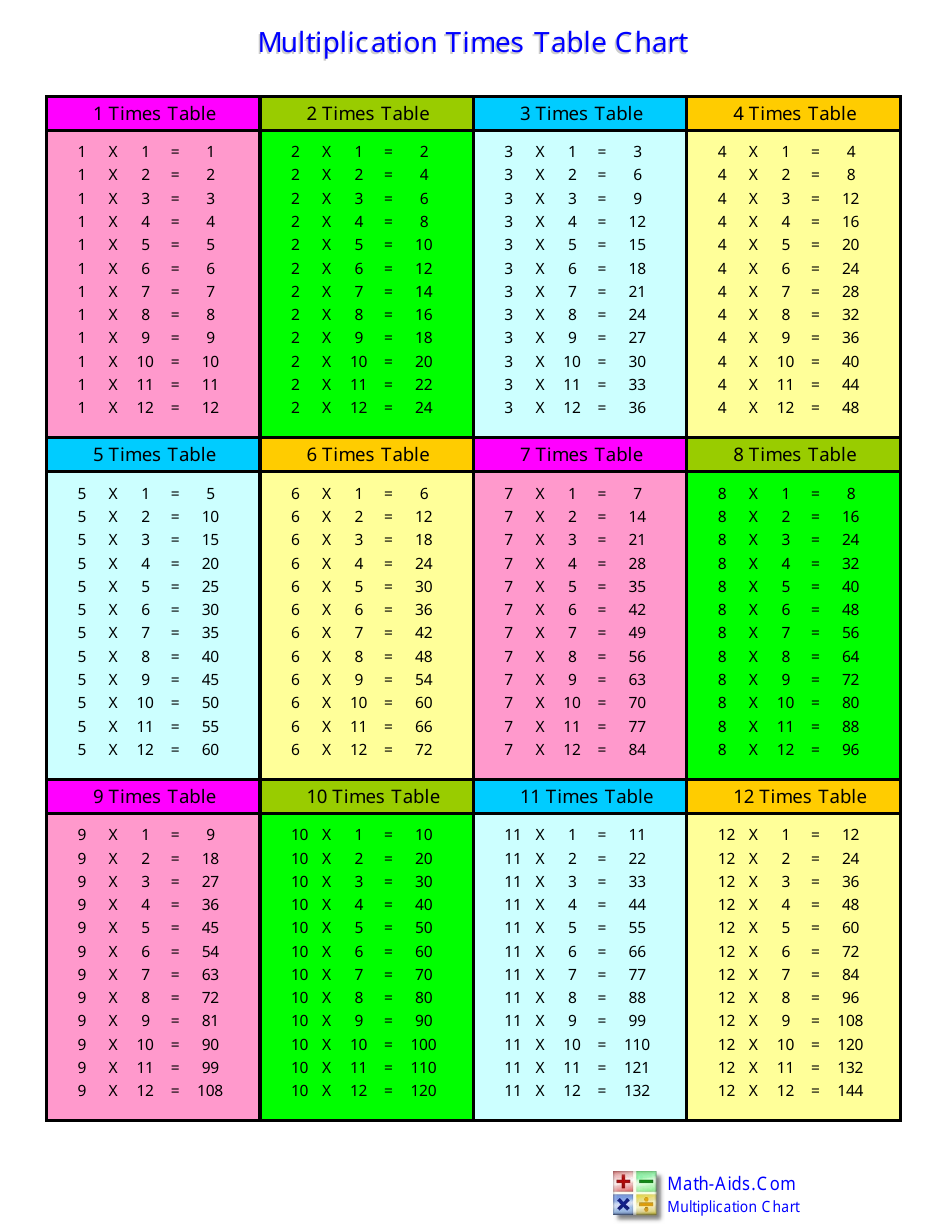
- Color-Coded Sections: Some charts use color coding to differentiate between various ranges of numbers, making it easier for visual learners to navigate.
- Blank Charts: Look for printable charts that allow students to fill in the answers themselves. This can be a useful exercise for reinforcing their learning.
- Interactive Versions: Some resources may offer interactive PDF versions, allowing students to highlight or mark answers digitally. This can be particularly useful for tech-savvy learners.