
An Empty Multiplication Chart 1-10 is an essential tool for anyone looking to enhance their understanding of multiplication. This simple yet effective resource typically features a grid that allows learners to fill in the products of numbers from 1 to 10. If you are a parent, teacher, or student, this chart can help reinforce multiplication skills in a clear and organized manner. Let’s explore how to effectively use this resource in your daily routine.
Understanding the Layout of the Chart
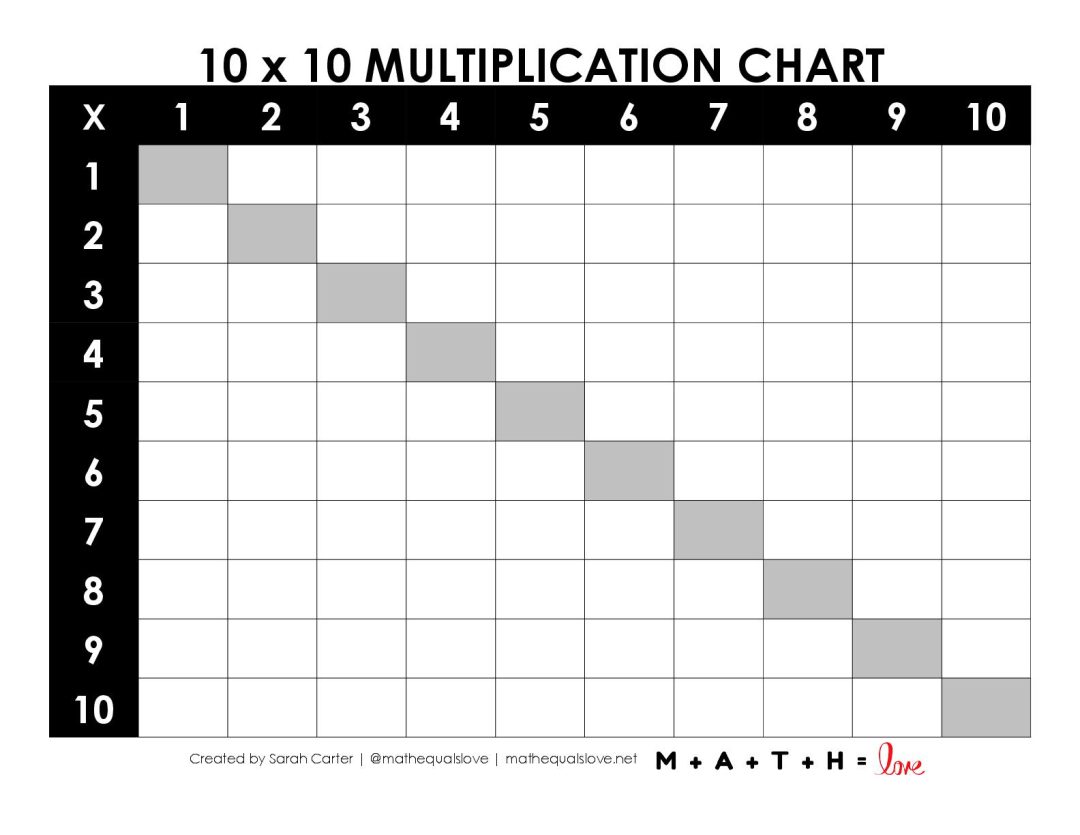
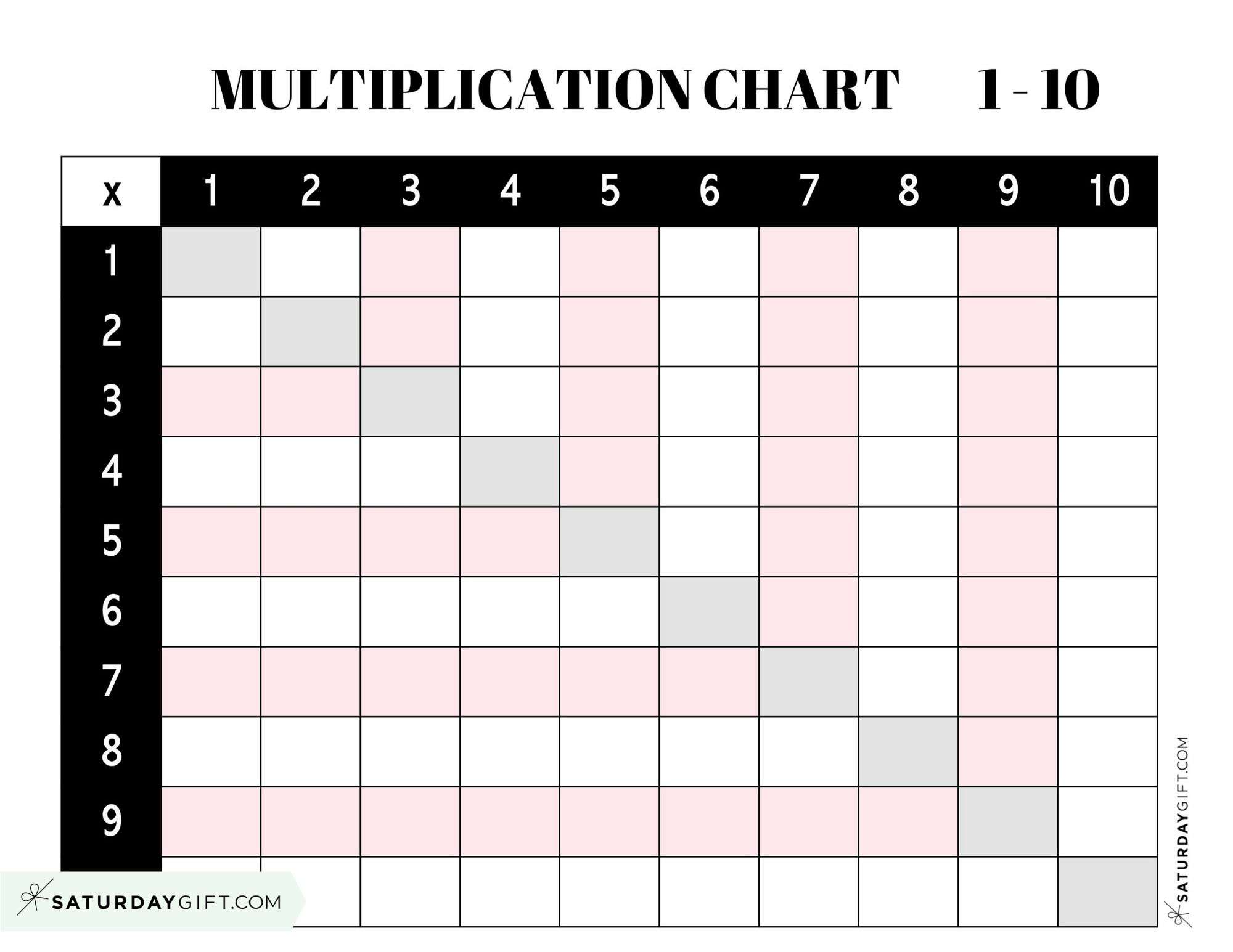
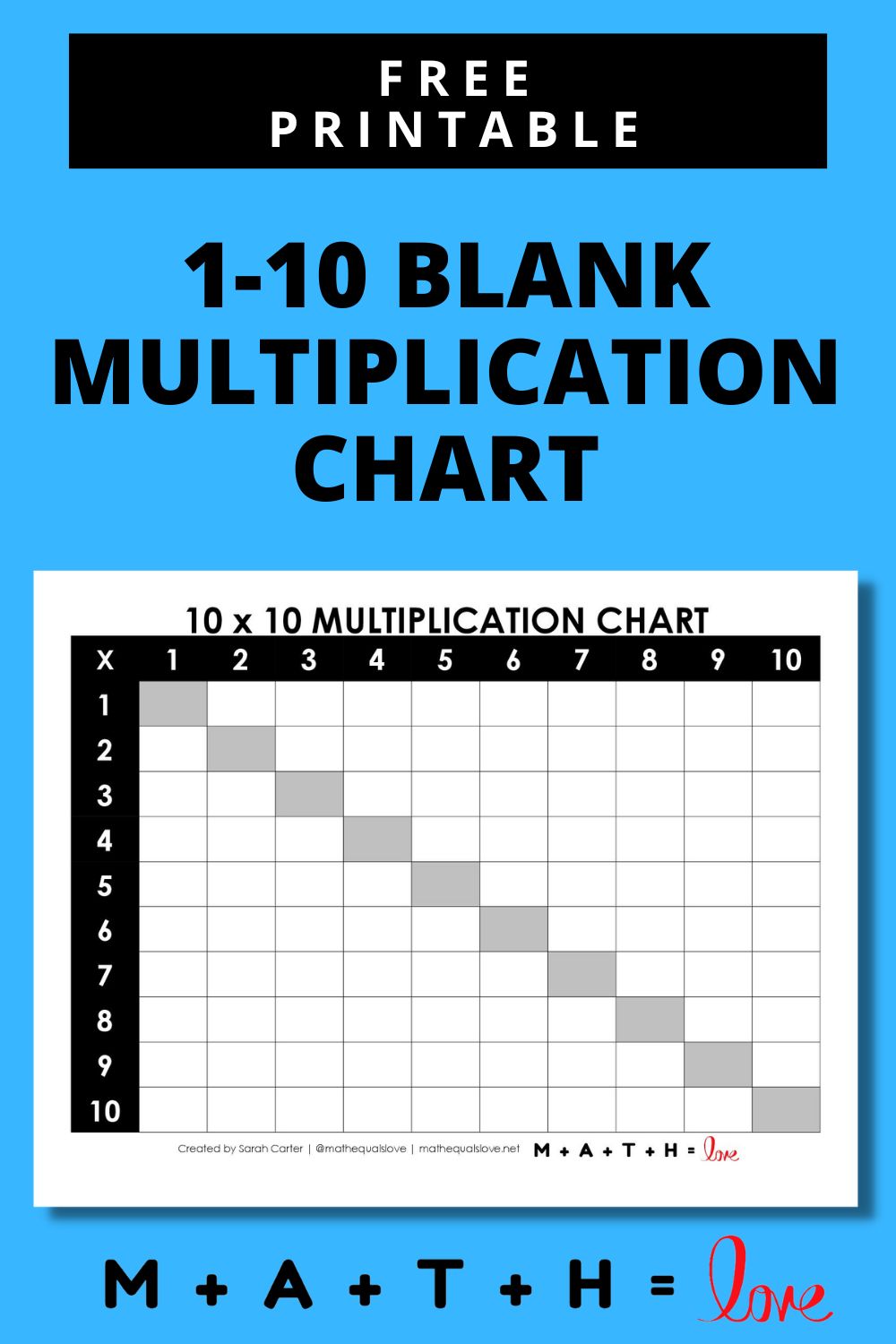
The Empty Multiplication Chart 1-10 consists of a grid, usually 11 rows by 11 columns, where the top row and the first column list the numbers 1 through 10. The intersections of these rows and columns are where you will write in the multiplication products. For example, if you multiply 3 by 4, you would write 12 in the box where row 3 meets column 4.
Having a clear layout helps in visualizing multiplication as repeated addition. It’s not just about memorizing the times tables; this chart allows you to see the relationships between numbers, making it easier to grasp mathematical concepts and patterns.
Choosing the Right Format
When looking to download your Empty Multiplication Chart 1-10, you’ll typically find it available in PDF format. This format is ideal as it ensures that the layout remains consistent across different devices and printers. You can print it out without worrying about reformatting issues that can arise with image files.
Consider the size of paper you want to use. A standard letter size (8.5 x 11 inches) is usually sufficient for most purposes, but if you’re using it in a classroom setting, you might prefer larger sizes for better visibility. Portrait layout often works better on home printers, while landscape layout can be useful for group activities.
How to Print and Set Up Your Chart
Once you’ve selected your chart, the next step is printing it out. Here are a few tips to ensure you get the best results:
- Print Settings: Use high-quality settings for clarity, especially if the chart will be used in a classroom or shared setting.
- Paper Type: For durability, consider printing on cardstock, especially if you plan to use it frequently. This will help the chart withstand wear and tear.
- Laminating: If you want to reuse the chart, laminating it is a great option. You can use dry-erase markers to fill in the products, allowing for repeated use without wasting paper.
After printing, place the chart in a location where it will be most effective. For students, having it displayed on a wall or kept in a binder can serve as a constant reminder and reference.
Filling Out the Chart: A Step-by-Step Guide
Filling out the Empty Multiplication Chart 1-10 can be an engaging activity. Here’s how to do it effectively:
- Start with the Basics: Begin with the easier multiplications, like 1s and 2s. Write these down first as they are foundational to understanding multiplication.
- Use Visual Aids: If you’re teaching children, use objects like blocks or counters to demonstrate how multiplication works. This can reinforce the concept as they fill out the chart.
- Encourage Patterns: Highlight the patterns that emerge as they fill in the chart. For instance, notice how the 5s always end in 0 or 5, or how the products of 9s can be calculated using finger tricks.
- Practice Regularly: Make it a routine to fill out the chart. Regular practice will help solidify the multiplication tables in memory.
Incorporating the Chart Into Daily Learning
The Empty Multiplication Chart 1-10 isn’t just a one-time resource; it can be woven into daily learning activities. Here are some ideas to integrate it effectively:
- Daily Warm-Ups: Use the chart as a warm-up exercise in the classroom or at home. Spend a few minutes each day filling in different rows or columns.
- Games and Challenges: Turn it into a game where students race to fill in parts of the chart correctly. This adds an element of fun while reinforcing learning.
- Homework Assignments: Assign students to complete a section of the chart for homework. This encourages them to practice multiplication independently.
Common Mistakes to Avoid
While using the Empty Multiplication Chart 1-10 can be straightforward, there are common pitfalls to watch out for:
- Skipping Steps: Some learners may skip the visual aids or foundational understanding, leading to confusion later. Always ensure the basics are covered first.
- Neglecting Patterns: Failing to point out patterns can hinder understanding. Encourage students to notice these as they fill in the chart.
- Rushed Completion: Remind users that accuracy is more important than speed. Filling out the chart correctly will yield better long-term retention of multiplication facts.
The Empty Multiplication Chart 1-10 can be a vital part of a learner’s toolkit, aiding in the mastery of multiplication with practice and patience. By understanding how to effectively set up, fill out, and incorporate this resource into daily routines, you can make math both accessible and enjoyable for learners of all ages. One last detail that often gets overlooked is that using different colors for filling out the chart can help distinguish and reinforce learning, making the experience even more engaging.