
There’s something satisfying about seeing a child grasp a new math concept, especially when it clicks during a quiet study session at the kitchen table. As they work through problems, an Empty Multiplication Chart 1-12 can be an invaluable tool. It serves not only as a reference but also as a way to reinforce multiplication skills in a clear, organized manner. In this article, we’ll explore how to utilize this chart effectively, why it’s beneficial, and how it can fit seamlessly into your daily learning routine.
Understanding the Empty Multiplication Chart 1-12
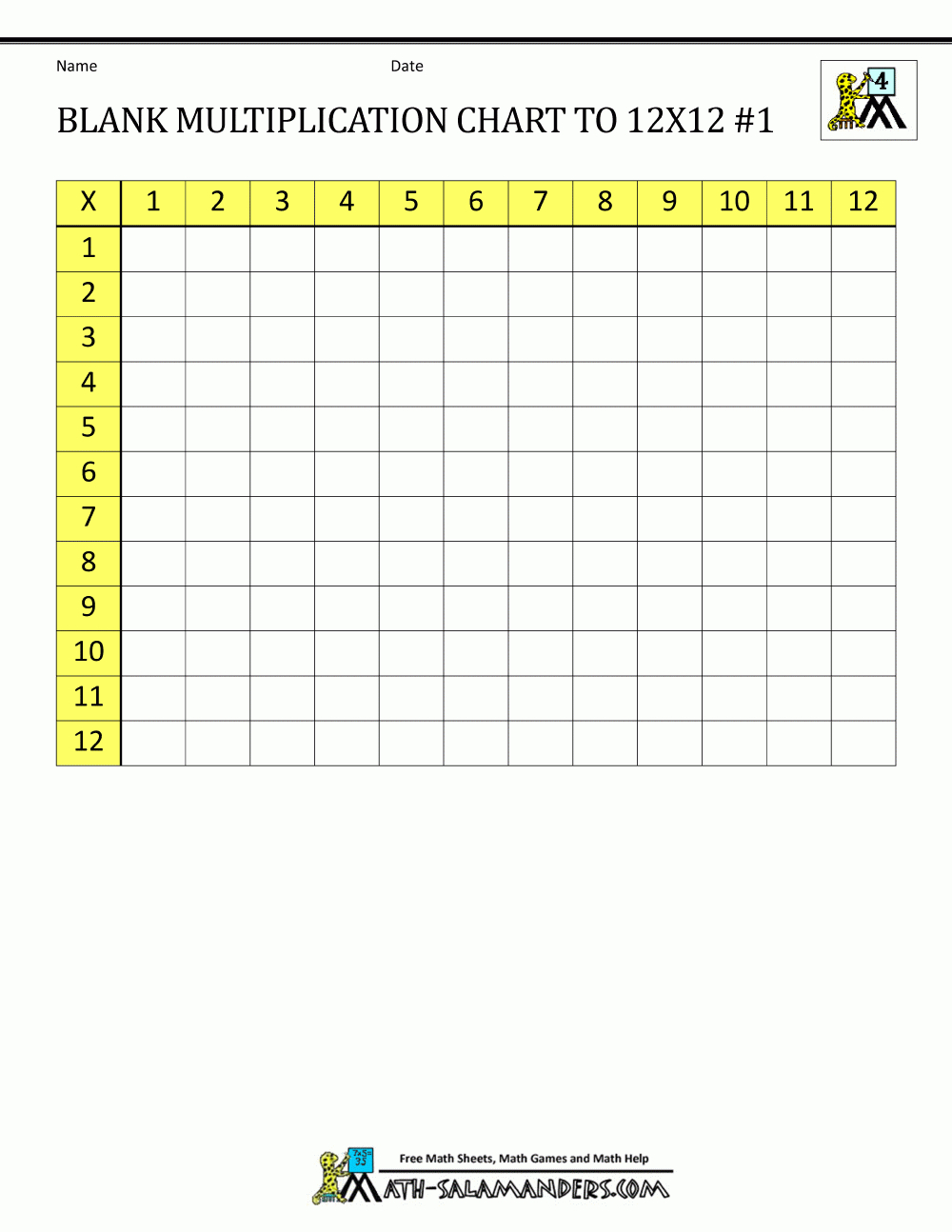
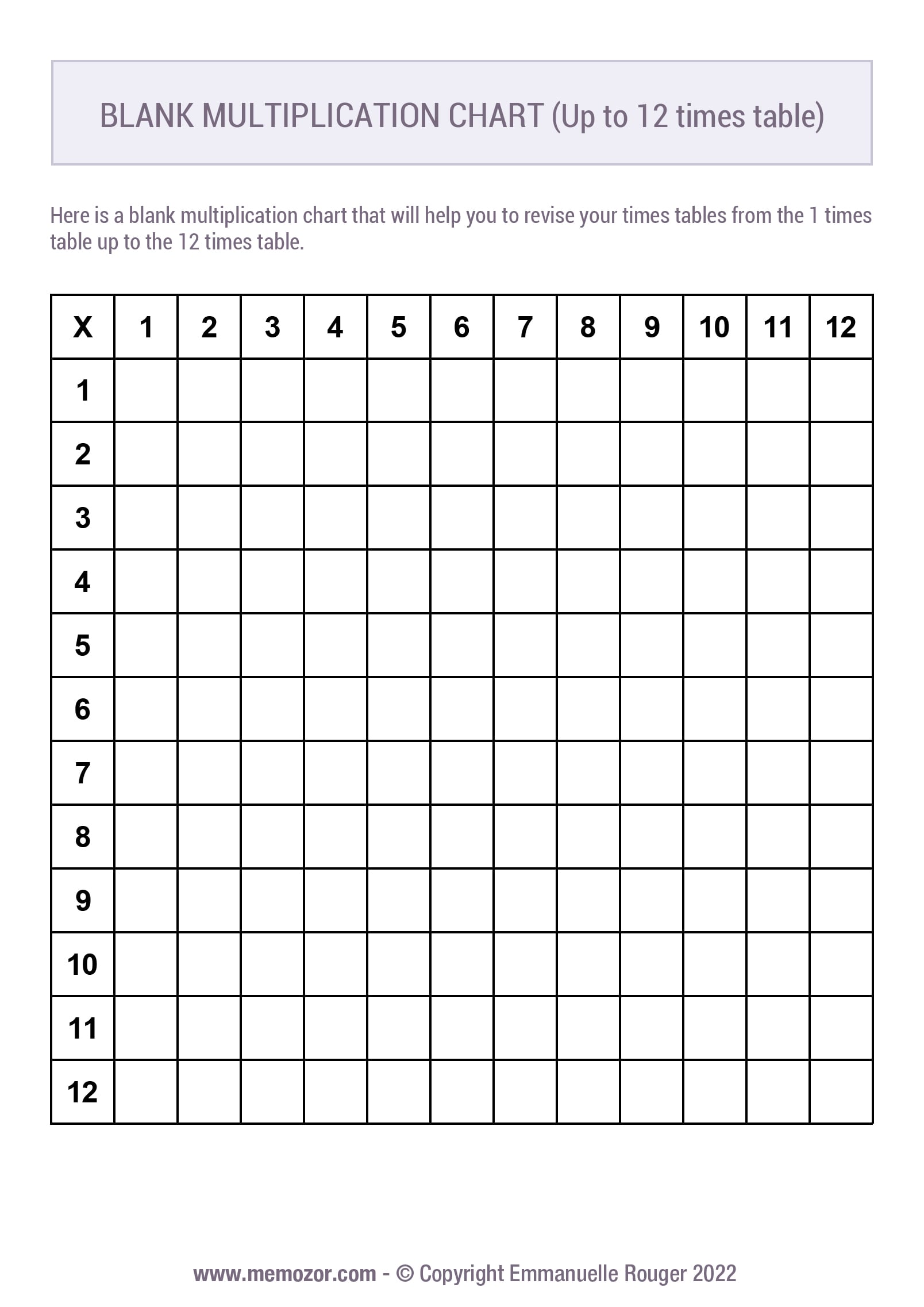
An Empty Multiplication Chart 1-12 is a simple yet powerful resource that helps learners visualize multiplication tables. Typically, it displays numbers 1 through 12 along the top and left side, leaving the inner squares blank for answers. This format encourages students to fill in the products of the numbers, reinforcing their understanding of multiplication.
To read or fill in the chart, start by locating the number you wish to multiply on either the top or left side. For example, if you’re multiplying 3 by 4, find 3 on one side and 4 on the other. You’ll fill in the corresponding box where they intersect with the product, which in this case is 12.
Practical Uses in Daily Learning
Incorporating an Empty Multiplication Chart into your routine can be done in various ways. Here are some practical applications:
- Homework Assistance: If your child is struggling with multiplication homework, having this chart nearby can provide a reference point. They can check their work or use it to solve problems more easily.
- Daily Practice: Set aside a few minutes each day for your child to fill out parts of the chart. This not only reinforces their multiplication skills but also builds their confidence as they see their progress over time.
- Games and Quizzes: Turn learning into fun by using the chart for games. You can quiz your child on specific multiplication facts and have them fill in the chart as they answer. This interactive approach keeps them engaged while learning.
How to Print and Prepare Your Chart
When it comes to printing your Empty Multiplication Chart 1-12, there are a few considerations to keep in mind for optimal results.
- Paper Choice: For durability, consider using cardstock instead of standard printer paper. Cardstock holds up better, especially if you plan to use the chart multiple times or laminate it for longevity.
- Print Settings: Use a standard portrait layout for most home printers. This format generally fits well on standard paper sizes (8.5″ x 11″). Ensure your printer settings are set to “Actual Size” or “100%” to maintain the correct dimensions.
- Lamination: If you want your chart to last, laminating it is a great option. This allows for dry-erase markers to be used, enabling your child to fill it in and wipe it clean for repeated practice.
Enhancing Learning With Additional Resources
While the Empty Multiplication Chart 1-12 is a fantastic tool on its own, pairing it with other resources can further enhance learning. Here are some suggestions:
- Flashcards: Create multiplication flashcards that correspond with the chart. This method allows for quick recall practice and can be a fun activity when studying together.
- Worksheets: Use worksheets that complement the multiplication chart, such as those focusing on word problems or timed tests. This variety keeps learning dynamic and helps solidify the concepts.
- Interactive Apps: Consider using educational apps that incorporate multiplication games. These can reinforce the knowledge gained from the chart and provide a different medium for learning.
Tailoring the Chart for Different Learning Styles
Every child learns differently, and the Empty Multiplication Chart can be adapted to suit various learning styles:
- Visual Learners: For those who learn best through visuals, color-coding the rows and columns can help. For instance, highlight the 2s in blue, the 3s in green, etc. This visual distinction can aid memory retention.
- Kinesthetic Learners: For more hands-on learners, encourage them to use physical objects, like counters or blocks, to visualize the multiplication process. They can fill in the chart as they group the objects.
- Auditory Learners: Use songs or rhymes that incorporate multiplication facts. As children sing or chant, they can fill in the chart, combining auditory learning with written practice.
Next Steps for Using Your Empty Multiplication Chart 1-12
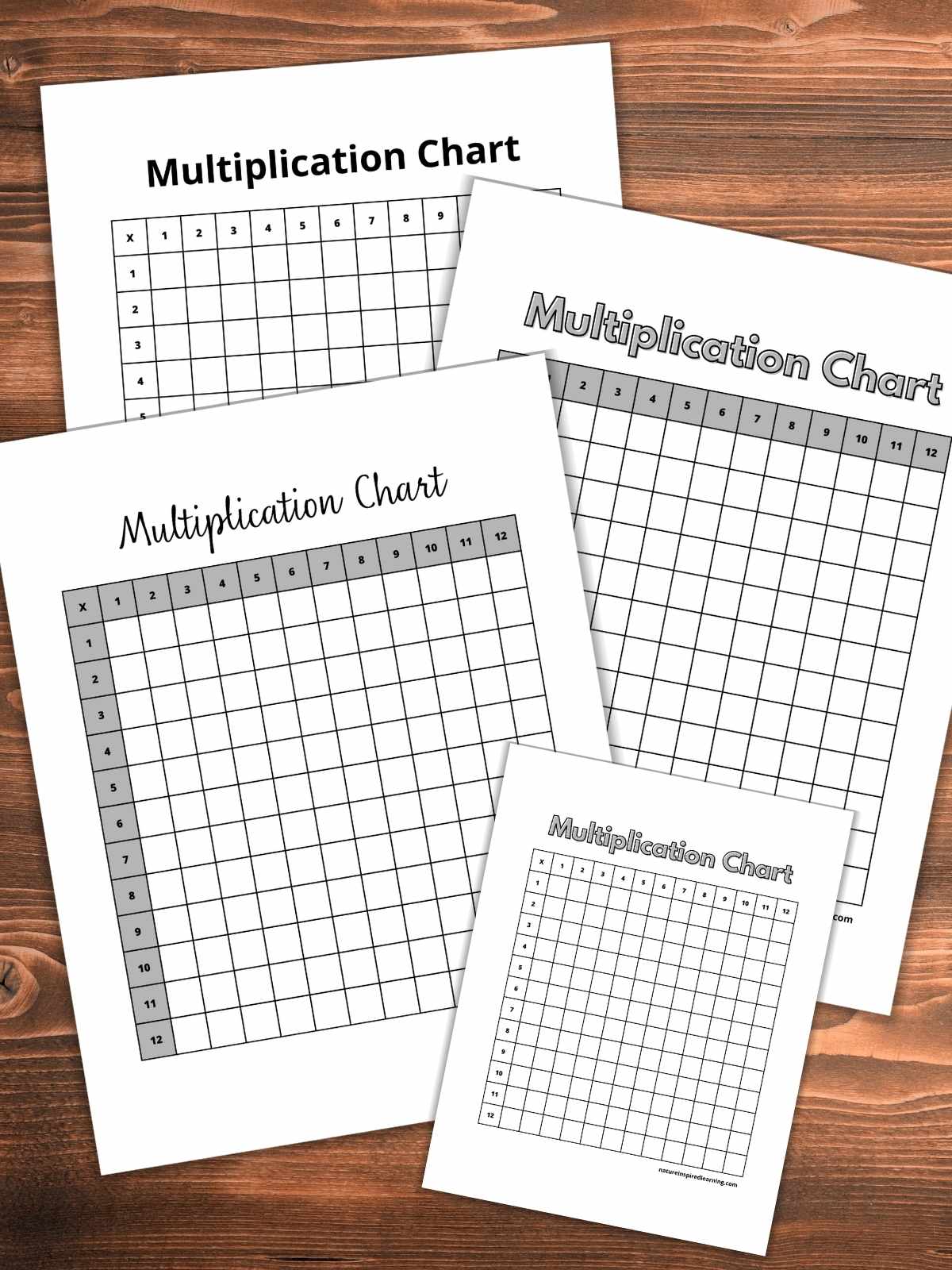
Now that you have a solid understanding of how to incorporate the Empty Multiplication Chart 1-12 into your learning routine, it’s time to take action. Download the chart, print it out on quality paper, and set up a dedicated study area where your child can engage with it regularly. Remember to mix in various resources and techniques to keep the learning experience fresh and enjoyable. With consistent practice, you’ll likely see improvement in their multiplication skills, making the effort well worth it.