
Using a Fill In Multiplication Chart 1-12 is an excellent way to help learners grasp multiplication concepts effectively. If you are a parent, teacher, or caregiver, having a dedicated space for practicing multiplication can make a significant difference in a child’s understanding of math. This resource can be utilized in various settings, from classrooms to homeschooling environments, and even for personal study.
Understanding the Fill In Multiplication Chart
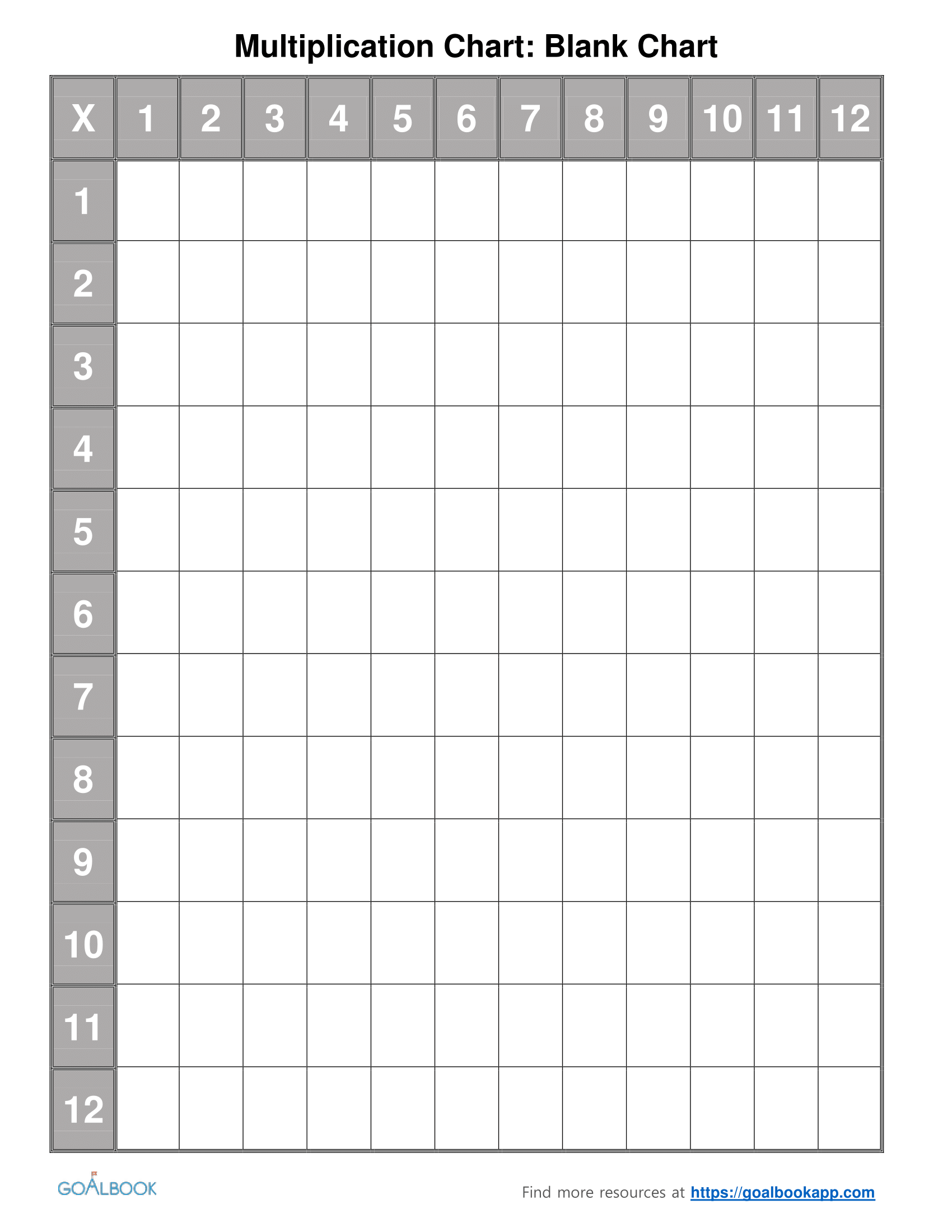
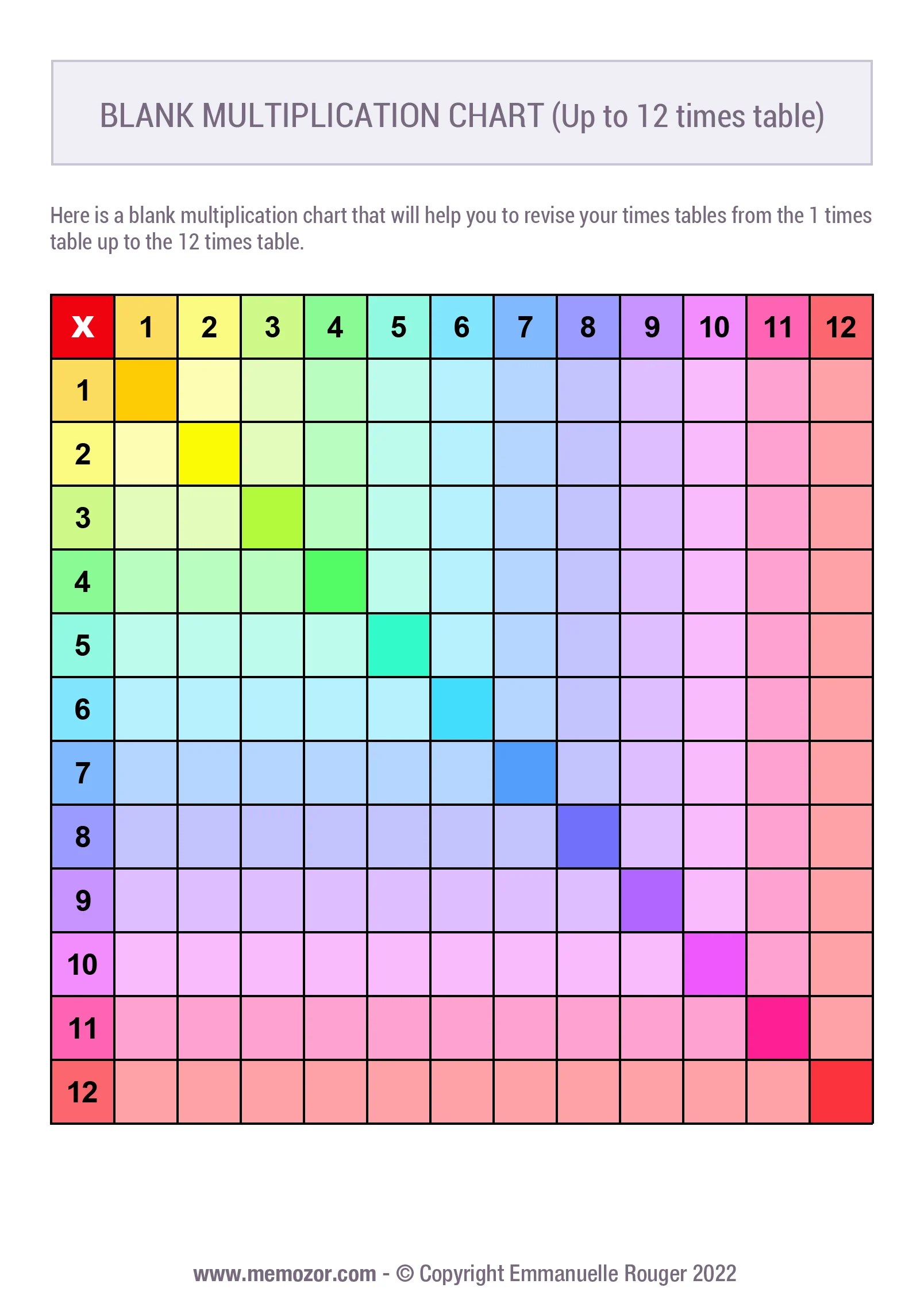
A Fill In Multiplication Chart 1-12 is a visual tool that displays multiplication facts in a grid format. Typically, the top row and the leftmost column list the numbers 1 through 12. The intersections of these rows and columns represent the products of these numbers. For example, the cell where 3 intersects with 4 will show the product 12. This chart helps students visualize the relationships between numbers and reinforces their multiplication skills through practice.
The beauty of this chart lies in its simplicity. By filling in the blank cells, learners actively engage with the material, which promotes better retention. Not only does it serve as a learning aid, but it can also be a reference tool when solving multiplication problems.
Setting Up for Success
When introducing the Fill In Multiplication Chart, consider the environment in which it will be used. Here are a few practical tips to ensure a successful experience:
- Choose the Right Format: You can print the chart on standard printer paper (8.5 x 11 inches) or use cardstock for durability, especially if you plan to laminate it for repeated use. Lamination allows for dry-erase markers to be used, making it easy to correct mistakes and reuse the chart.
- Use Clear Instructions: When giving the chart to a student, provide clear instructions on how to fill it out. Explain that they should multiply each number in the left column by each number in the top row, writing the answer in the corresponding cell.
- Set a Regular Routine: Incorporate the chart into your daily or weekly math routine. Consistent practice helps reinforce the multiplication facts, making them more familiar over time.
Engaging Activities With the Chart
Using the Fill In Multiplication Chart doesn’t have to be limited to just filling in numbers. Here are some engaging activities that can enhance the learning experience:
- Timed Challenges: Set a timer and challenge students to fill in as many cells as they can within a specific time. This not only makes learning fun but also helps develop speed and accuracy in multiplication.
- Group Work: If you’re in a classroom setting, consider pairing students to work on the chart together. Collaborative learning encourages discussion and helps students learn from one another.
- Games: Turn the chart into a game! For example, you could create a bingo-style game where students call out products, and others must find and mark the corresponding multiplication facts on their charts.
Tracking Progress and Mastery
To get the most out of the Fill In Multiplication Chart, it’s important to track progress. Here are a few strategies to consider:
- Regular Reviews: Schedule regular reviews of the completed charts. Discuss any mistakes and clarify misunderstandings. This helps solidify knowledge and build confidence.
- Create a Mastery Checklist: Keep a checklist of multiplication facts. As students fill in the chart, they can check off which facts they have mastered. This visual cue can motivate them to focus on areas that still need improvement.
- Encourage Self-Assessment: After completing the chart, have students check their work against a filled-in version. This self-assessment helps them identify mistakes and learn from them independently.
When to Use the Fill In Multiplication Chart
The Fill In Multiplication Chart can be a versatile resource in various educational settings. Here are some scenarios where it can be particularly useful:
- Homeschooling: If you’re homeschooling, this chart can be a core part of your math curriculum. Integrate it into lessons about multiplication, and use it as a reference throughout the year.
- Supplemental Learning: For students who may need extra help in math, this chart can serve as a supplementary resource. You can send it home for additional practice or use it during tutoring sessions.
- Classroom Activities: Teachers can use the chart for interactive lessons. For example, you could create a class competition to see who can fill in the chart correctly the fastest, fostering a fun and engaging learning environment.
Quality and Presentation Matters
The quality of your printed Fill In Multiplication Chart can impact its effectiveness. Here are some considerations to keep in mind:
- Paper Quality: Using heavier paper or cardstock can provide better durability, especially if students will be using it frequently. If you’re using dry-erase markers, lamination is a great option to ensure longevity.
- Print Settings: Make sure to adjust your printer settings for the best quality. A standard print setting usually works, but if you notice any issues with clarity, consider using a higher quality setting to ensure that all numbers are easily readable.
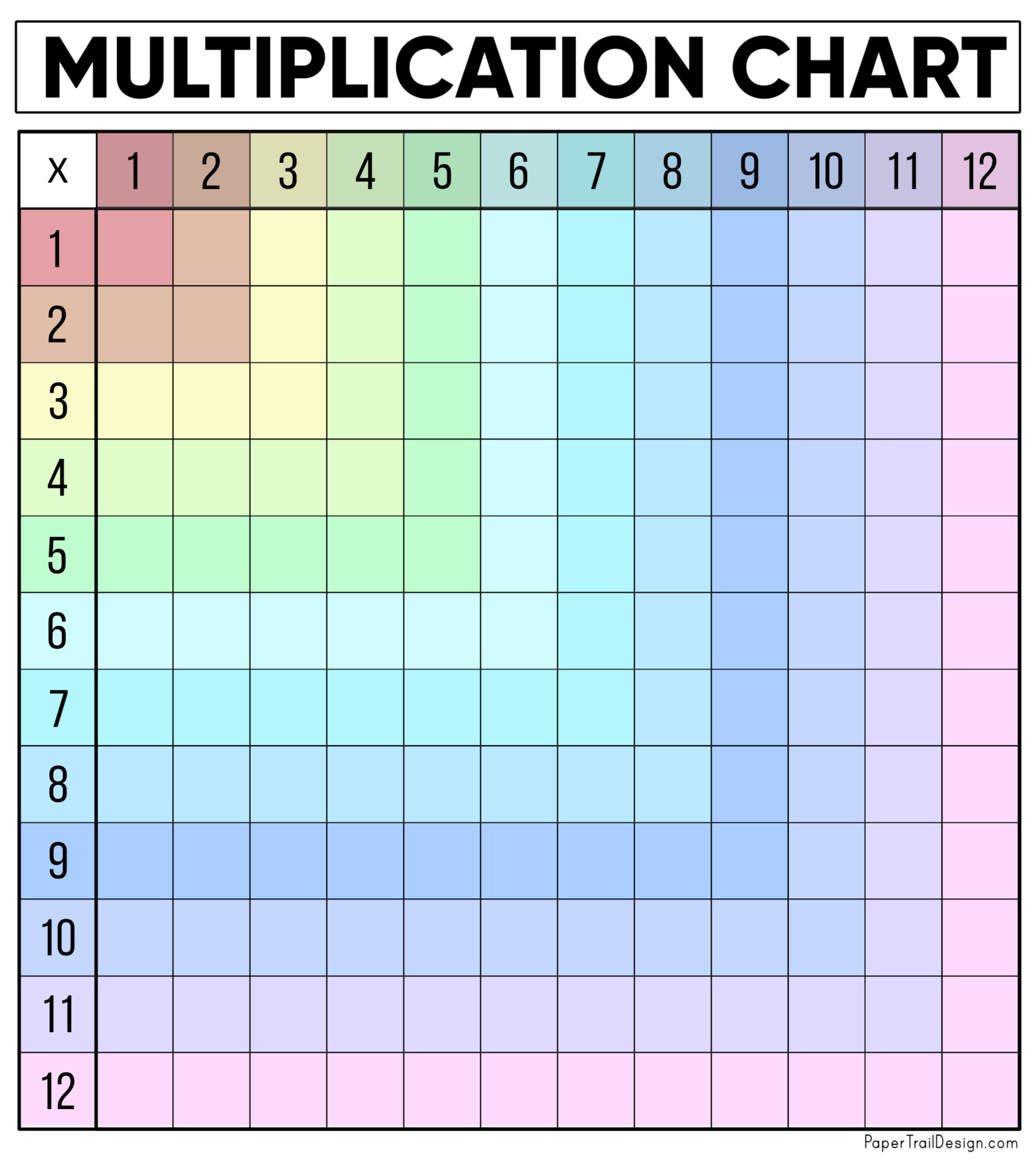
- Color Coding: If you want to make the chart more visually appealing, consider color coding the rows or columns. This can help students distinguish between different sets of multiplication facts and make the learning experience more enjoyable.
The Fill In Multiplication Chart 1-12 is a practical resource that can enhance multiplication learning for children. By understanding how to set it up, engage students with activities, track progress, and ensure quality presentation, you can create an effective learning environment. There are multiple ways to use this chart, from straightforward practice to interactive games, ensuring that it remains a valuable tool throughout the learning journey.