
Using a Free Blank Hundred Twenty Chart can significantly enhance your ability to visualize and track numbers, making it an essential tool for both educators and learners. This chart typically features a grid layout that allows you to see numbers from 1 to 120 at a glance, perfect for various educational activities or personal goal tracking.
Understanding the Layout of a Hundred Twenty Chart
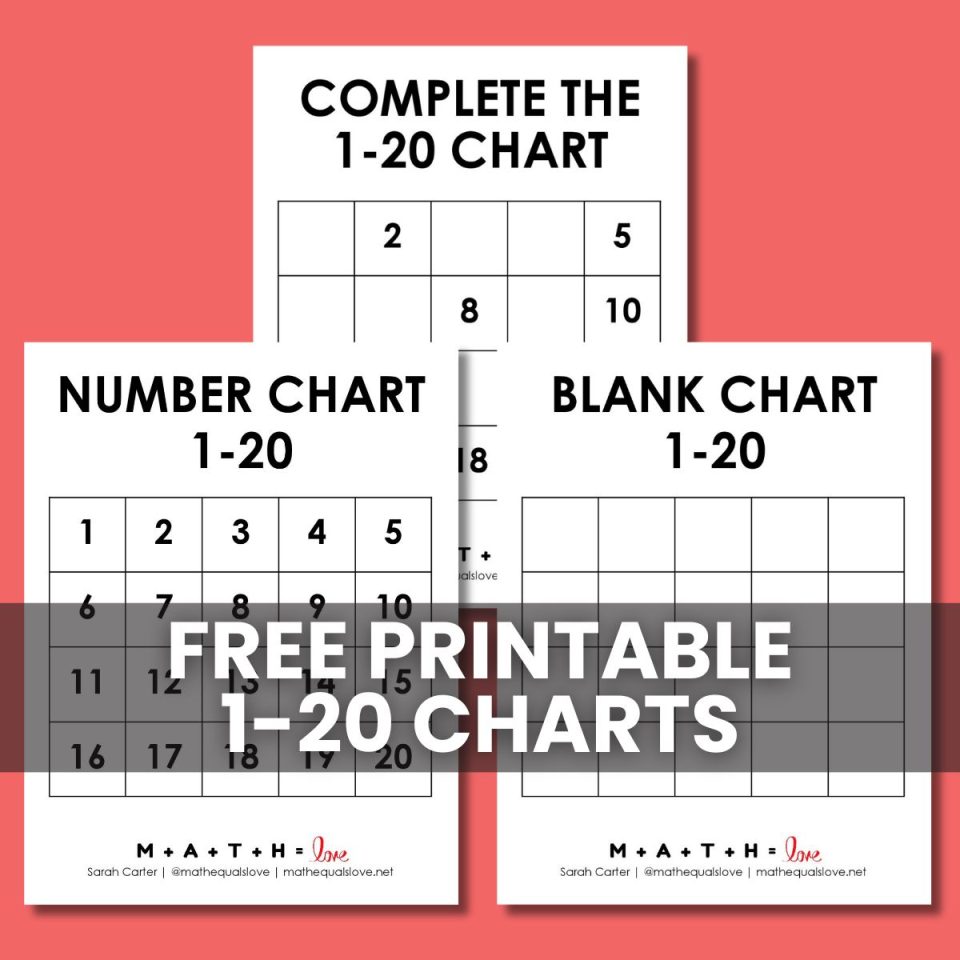
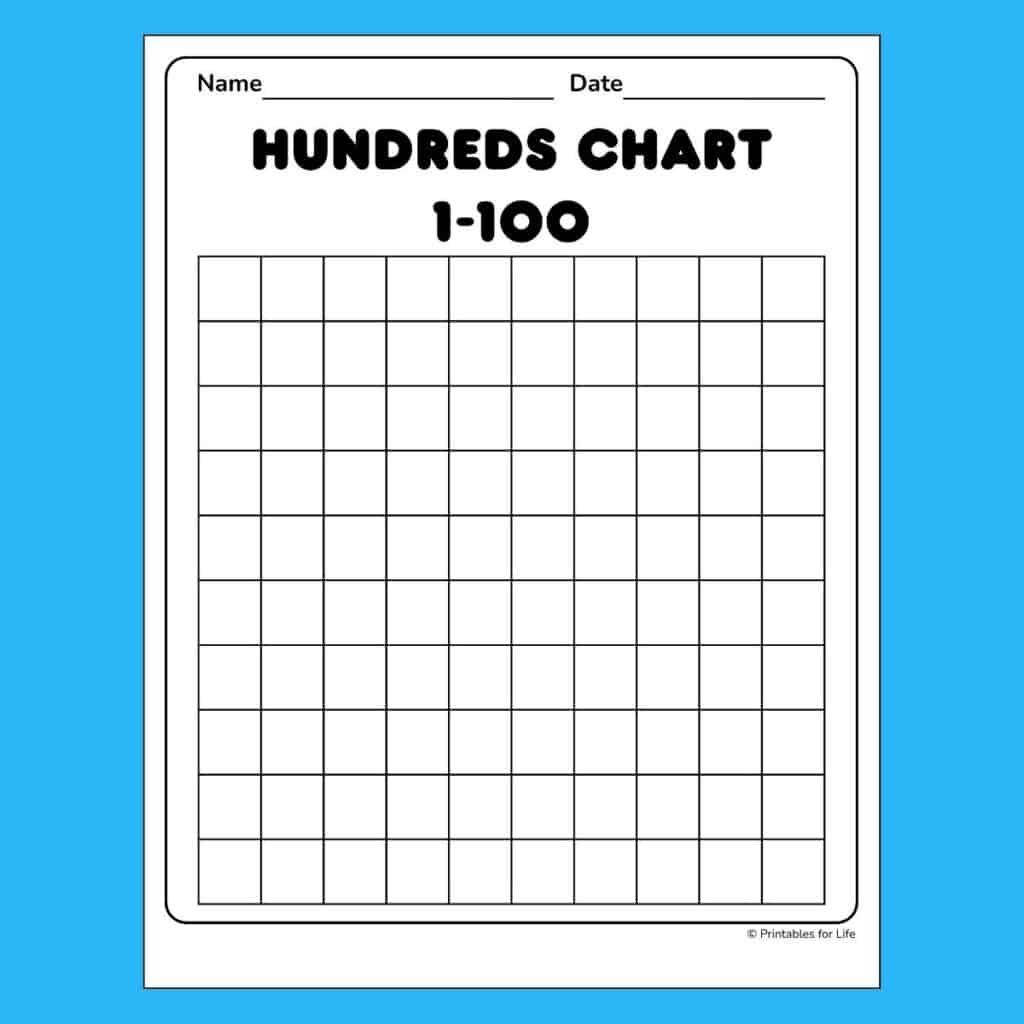
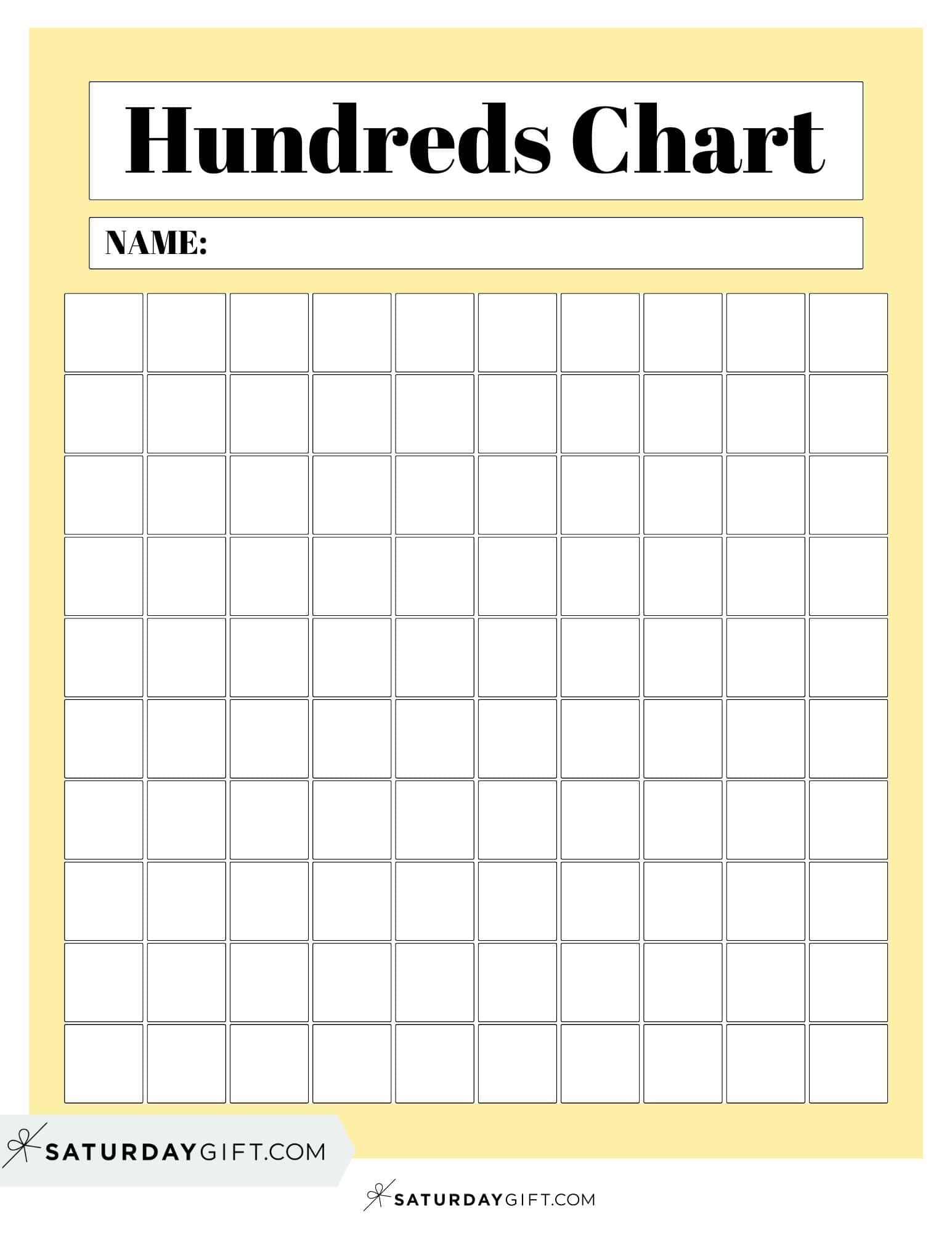
A hundred twenty chart consists of 12 rows and 10 columns, making it easy to organize numbers sequentially. Each cell represents a single number, with the first row starting at 1 and continuing across to 10, then moving to the second row, which starts at 11 and continues to 20, and so forth until you reach 120.
This structured layout helps learners identify patterns in numbers, such as counting by tens or fives. For instance, noticing that every tenth number aligns vertically helps reinforce the concept of place value. You can also use it to practice addition and subtraction by filling in numbers as you solve problems.
Where to Use Your Free Blank Hundred Twenty Chart
The versatility of the hundred twenty chart makes it suitable for various situations:
- Classroom Activities: Teachers can use it to facilitate group activities, such as counting exercises, number games, or as a visual aid for teaching addition and subtraction.
- At Home: Parents can use the chart for home schooling or as a fun activity during learning sessions. Children can color in numbers, helping them to engage more with the material.
- Goal Tracking: You can repurpose this chart for personal use, such as tracking daily habits or goals. For example, filling in numbers as you complete tasks can provide a sense of accomplishment.
Downloading and Printing Your Chart
When you’re ready to get your Free Blank Hundred Twenty Chart, here’s what you need to know about downloading and printing:
- File Format: Most charts are available in PDF format, which is ideal because it preserves the layout and formatting. This helps prevent any reformatting issues that can occur with image files.
- Printer Setup: To ensure the chart prints correctly, select the “Fit to Page” option in your printer settings. This will allow the chart to scale appropriately without losing any of its content.
- Paper Choice: For best results, use standard printer paper (8.5 x 11 inches). If you plan to laminate the chart for repeated use, consider using cardstock, as it is more durable and holds up better.
- Color vs. Black and White: If you’re looking to save on ink, you can print in black and white. However, a color print makes it visually engaging for younger learners.
Filling Out the Chart
Once you have your chart printed, it’s time to make it functional. Here are some practical ways to fill it out:
- Color Coding: Use different colors to highlight specific number ranges, such as even versus odd numbers. This visual distinction can help children recognize patterns.
- Adding Personal Goals: If you’re using it for personal tracking, consider writing down specific goals next to certain numbers. For example, you could tally days of exercise or reading goals.
- Math Problems: You can use the chart to practice math problems. For instance, circle the numbers that are answers to addition problems you’ve completed.
Tips for Effective Use
To get the most out of your Free Blank Hundred Twenty Chart, here are some tips:
- Regular Review: Make a habit of reviewing the chart regularly. This helps solidify number recognition and enhances memory retention.
- Make It Interactive: If working with children, turn it into a game. Ask them to find certain numbers quickly or to color in numbers as they count by twos or fives.
- Use as a Reference Tool: Keep the chart visible in your workspace or learning area. This way, it serves as a constant reference that can aid in both learning and tracking.
Things to Watch Out For
While the hundred twenty chart is a fantastic tool, there are a few considerations to keep in mind:
- Cluttered Appearance: If you’re filling in too many details or colors, it might become overwhelming. Keep it simple to maintain clarity.
- Over-Reliance: While this chart is useful for learning, encourage learners to practice numbers without it too. This helps build confidence in their abilities.
- Storage for Reuse: If you laminate your chart or print on thicker paper, ensure you have a proper storage solution to avoid creases or damage.
By following these guidelines, you can effectively use a Free Blank Hundred Twenty Chart to enhance learning, track goals, and engage with numbers in a fun, interactive way.