
Understanding how to effectively teach and reinforce math skills is crucial, especially for young learners. The Math Drills Blank 120 Chart stands out as a versatile resource for both parents and educators looking to enhance their students’ numeracy skills. This printable chart not only provides a structured way to practice counting but also helps in visualizing numbers up to 120, making it easier to grasp basic arithmetic concepts.
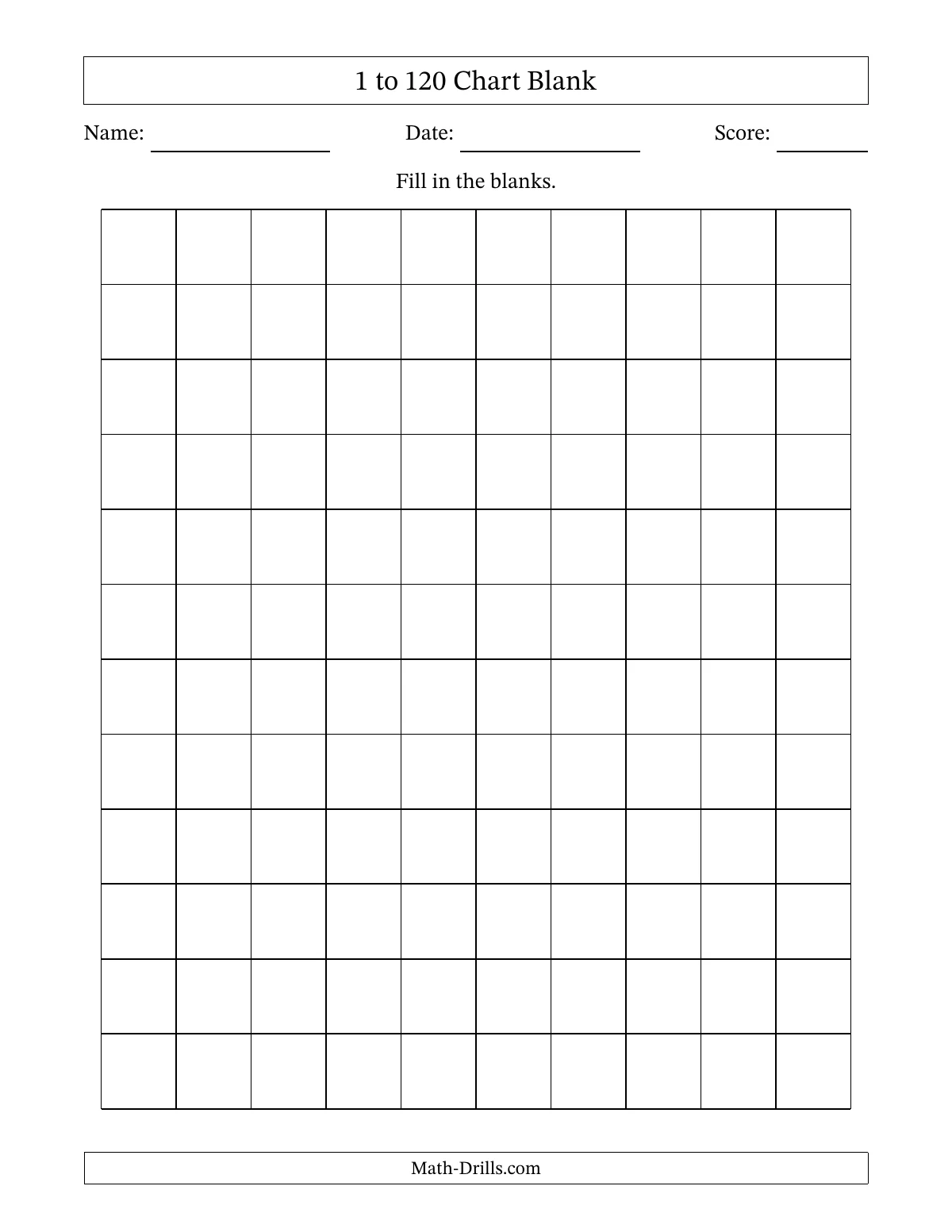
What is a Math Drills Blank 120 Chart?
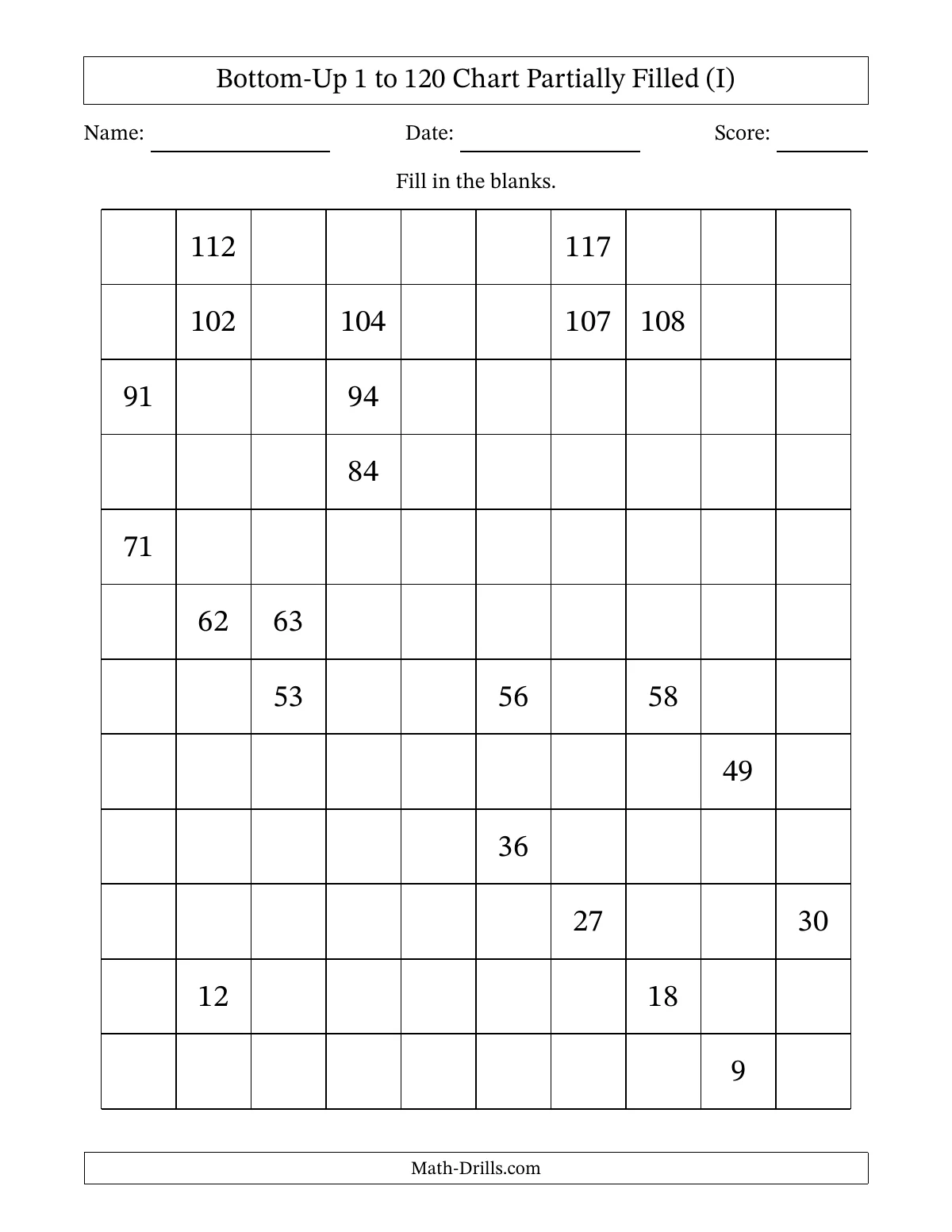
At its core, the Math Drills Blank 120 Chart is a simple, grid-based chart that displays numbers from 1 to 120 in a clear and organized manner. This chart is typically presented in a grid format, making it easy for students to fill in or color in as they practice their math skills. The blank format allows for various uses, such as filling in missing numbers, practicing skip counting, or even coloring exercises that reinforce number recognition.
By using this chart, students can visually track their progress as they work through math drills. Filling in the numbers themselves can also help reinforce memory retention, as the act of writing or coloring engages different learning styles.
How to Use the Math Drills Blank 120 Chart
Using the chart effectively involves understanding its layout and purpose. Here are some practical ways to incorporate the Math Drills Blank 120 Chart into your educational routine:
- Number Recognition: Start by having students fill in the chart to reinforce their understanding of number sequences. This can be done by asking them to fill in every number or by leaving some blanks for them to complete.
- Skip Counting Exercises: Encourage students to practice skip counting by filling in every second, third, or fifth number. This not only helps with counting but also lays the groundwork for understanding multiplication.
- Coloring Activities: Use the chart for fun coloring activities. Assign certain colors to specific ranges of numbers (e.g., even numbers in blue, odd numbers in red) to make learning interactive.
- Math Drills: Pair the chart with math drills where students solve problems related to the numbers on the chart, such as addition or subtraction problems that involve numbers from 1 to 120.
- Self-Assessment: After completing exercises, students can use the chart to self-assess their understanding by marking off numbers they are confident with and highlighting those they need to practice more.
Choosing the Right Format and Paper for Printing
When printing the Math Drills Blank 120 Chart, consider the following tips for optimal results:
- Paper Size: The standard size for most printable charts is A4 or letter size (8.5 x 11 inches). Choose the size that fits your printing capabilities and your intended use for the chart.
- Paper Type: For durability, especially if the chart will be used repeatedly, consider printing on cardstock. This heavier paper holds up better to wear and tear, particularly if you plan to laminate it for long-term use.
- Print Settings: Ensure your printer settings are adjusted for high-quality printing. Use the best print quality setting to ensure clear, legible numbers that are easy for students to read.
- Color vs. Black and White: Depending on the activity, you may choose to print in color for vibrant visuals or in black and white for a more straightforward approach. Color can be particularly engaging for younger learners.
Incorporating the Chart Into Daily Learning
Integrating the Math Drills Blank 120 Chart into your daily learning routine can enhance your students’ math fluency. Here’s how to seamlessly incorporate it:
- Daily Practice: Set aside a few minutes each day for students to work on the chart. Consistency is key in building confidence and reinforcing skills.
- Group Activities: Use the chart in group settings where students can collaborate on filling in the chart together, discussing their thought processes and strategies for number recognition.
- Homework Assignments: Assign the chart as part of homework. This encourages students to practice independently while allowing parents to engage in their learning.
- Assessment Tool: Use the completed charts as a tool for assessing students’ understanding. Review their filled-in charts to identify areas where they may need additional support.
Variations and Extensions of the Math Drills Blank 120 Chart
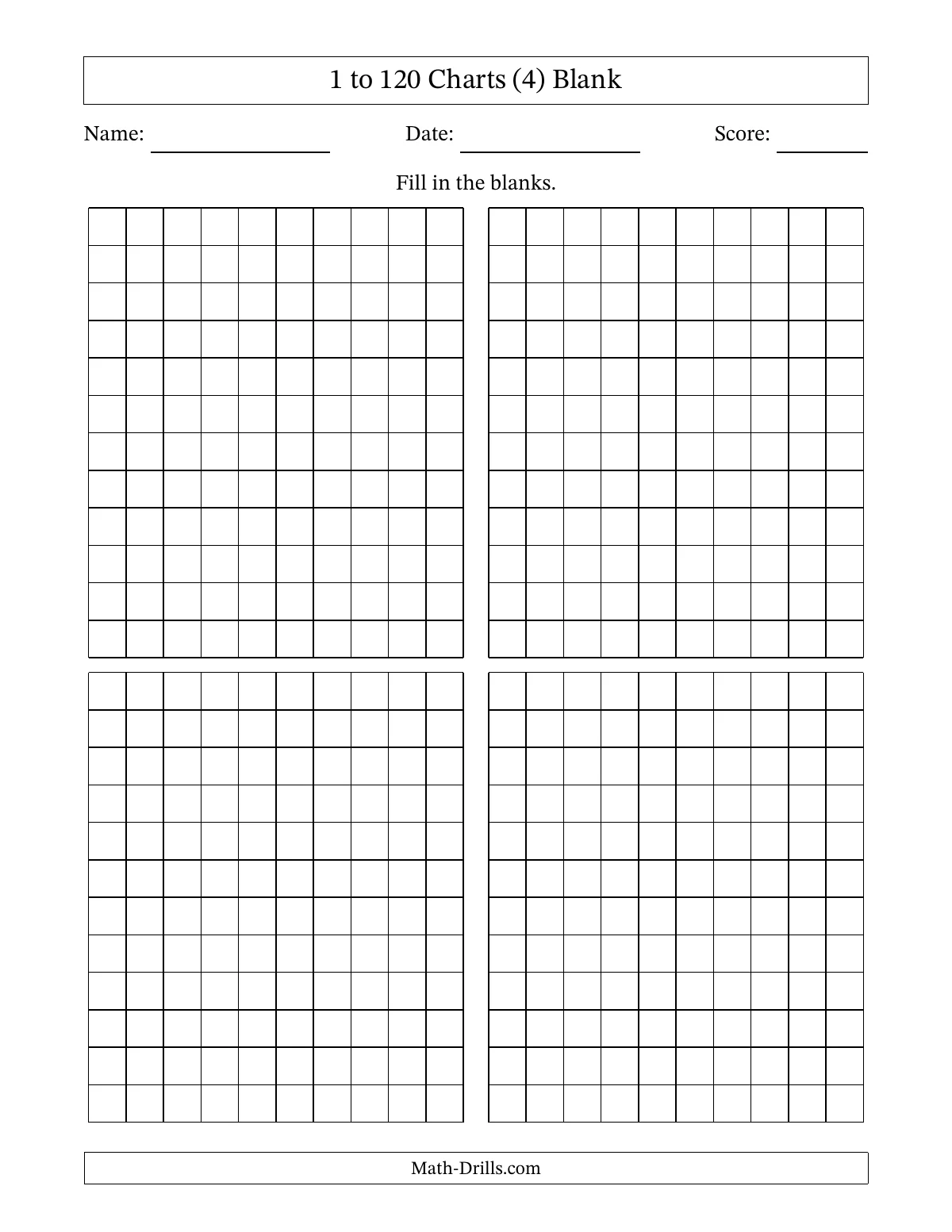
The beauty of the Math Drills Blank 120 Chart lies in its versatility. Here are a few variations and extensions you can try:
- Create Your Own Charts: Challenge students to create their own versions of the 120 chart. This encourages creativity and reinforces their understanding of number placement.
- Themed Charts: Introduce themed charts for different subjects or holidays. For example, a Halloween-themed chart where students fill in numbers related to spooky creatures can make learning fun and relevant.
- Incorporate Technology: If applicable, use digital versions of the chart that students can fill in on tablets or computers. This can be particularly engaging for tech-savvy learners.
- Use with Other Resources: Pair the chart with other math resources, such as flashcards or worksheets, to create a comprehensive math practice session.