Are you considering gastric bypass surgery as a weight loss option? One useful tool to track your progress post-surgery is a weight loss chart. This chart can help you stay motivated and monitor your weight loss journey.
Creating a weight loss chart for gastric bypass involves tracking your weight, body measurements, food intake, and exercise routines. By keeping track of these factors, you can see patterns, set goals, and make adjustments to your lifestyle as needed.

Weight Loss Chart For Gastric Bypass
Weight Loss Chart For Gastric Bypass
Start by recording your starting weight, measurements, and goals in your chart. Be sure to update it regularly to track your progress accurately. Include columns for daily food intake, exercise activities, and any notes or observations you may have.
Use different colors or symbols to differentiate between days when you meet your goals and days when you may have struggled. This visual representation can help you see trends and areas where you may need to make changes to your routine.
Remember that weight loss after gastric bypass surgery is a journey, not a sprint. Celebrate your victories, no matter how small, and be kind to yourself on days when things don’t go as planned. Your weight loss chart is a tool to support you on this path to a healthier you.
In conclusion, a weight loss chart for gastric bypass surgery can be a valuable resource in your weight loss journey. By tracking your progress, setting goals, and making adjustments as needed, you can stay motivated and focused on achieving your weight loss goals. Stay positive, stay consistent, and trust the process!
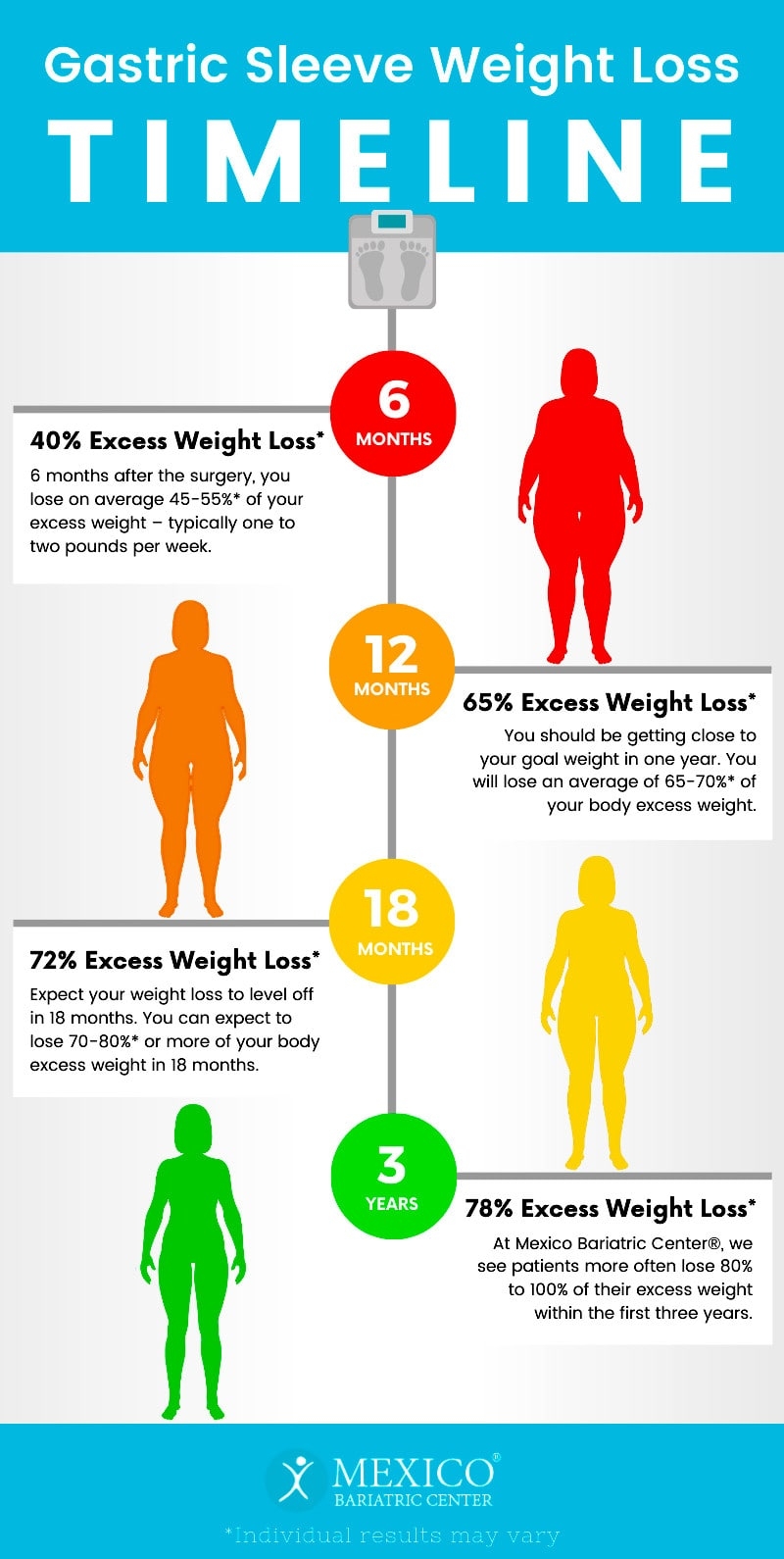
Gastric Sleeve Weight Loss Timeline Chart What To Expect
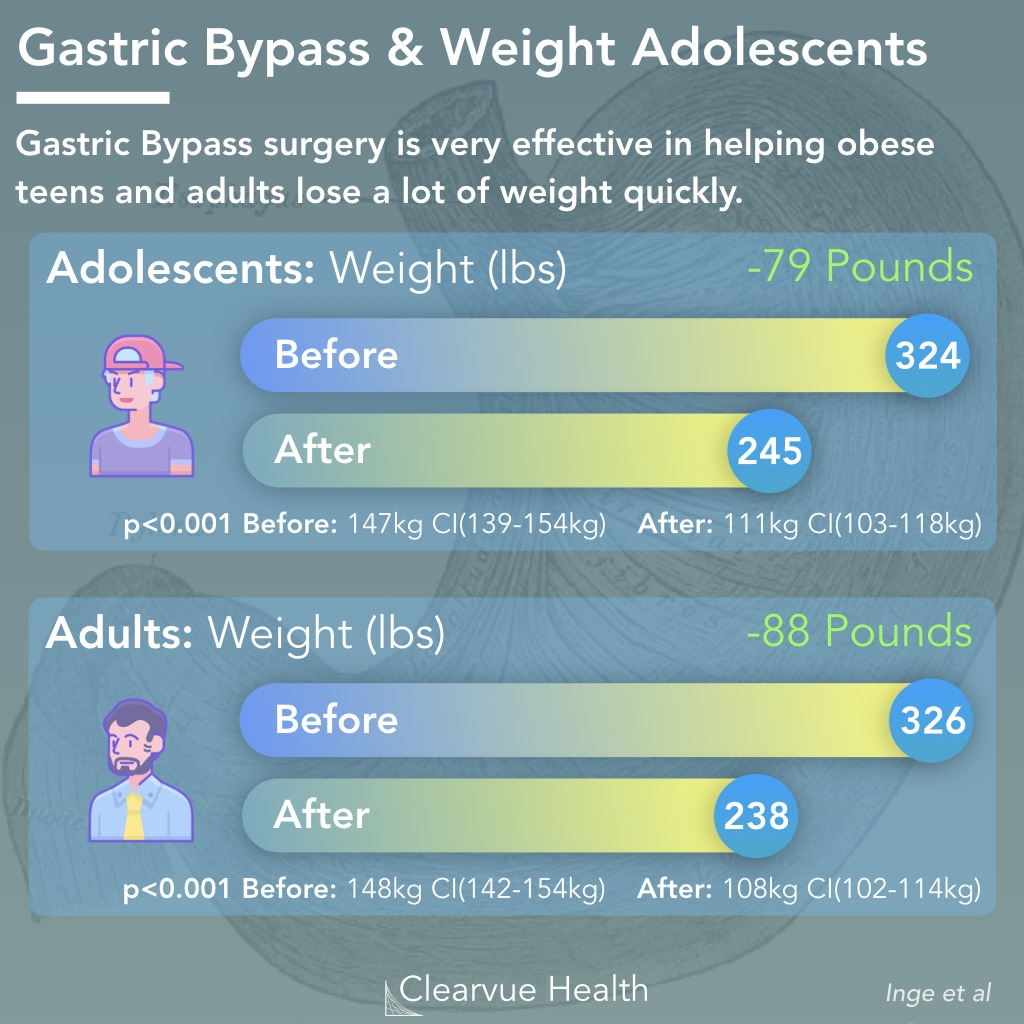
4 Charts Gastric Bypass Effectiveness In Adults Teens Visualized Science
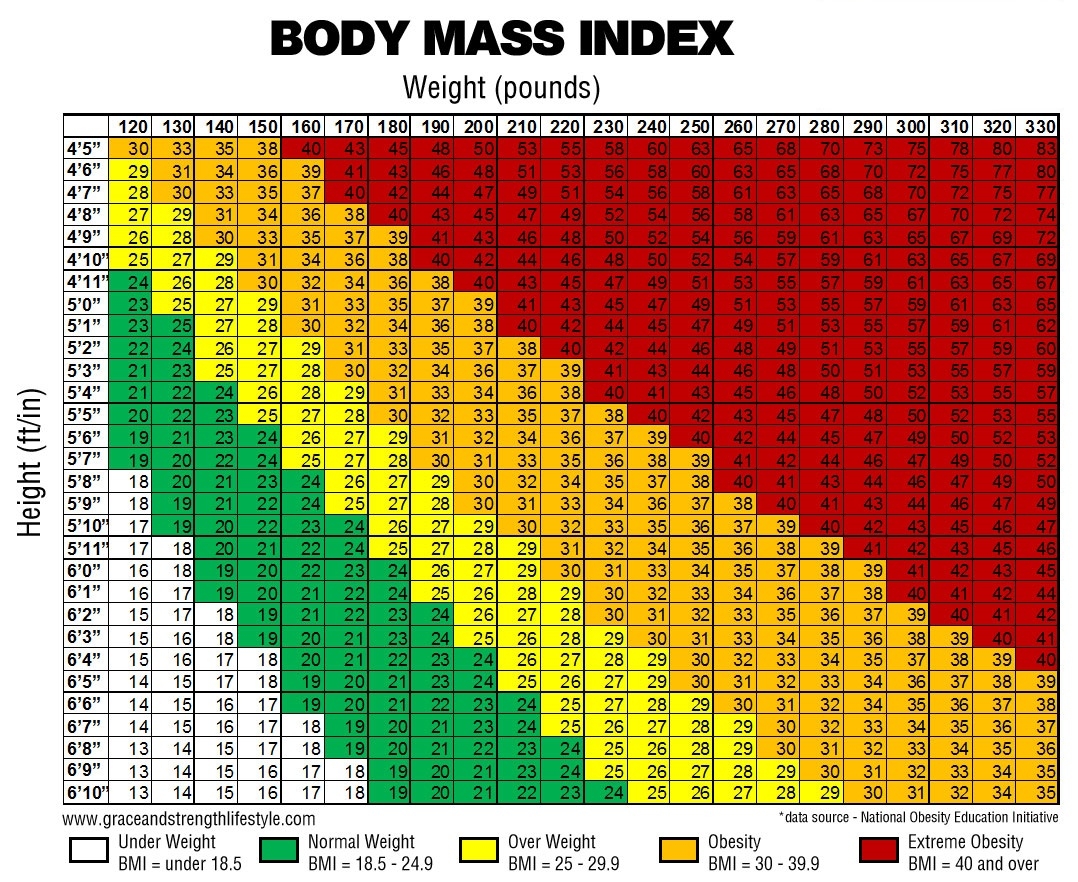
Candidate For Bariatric Surgery UI Health
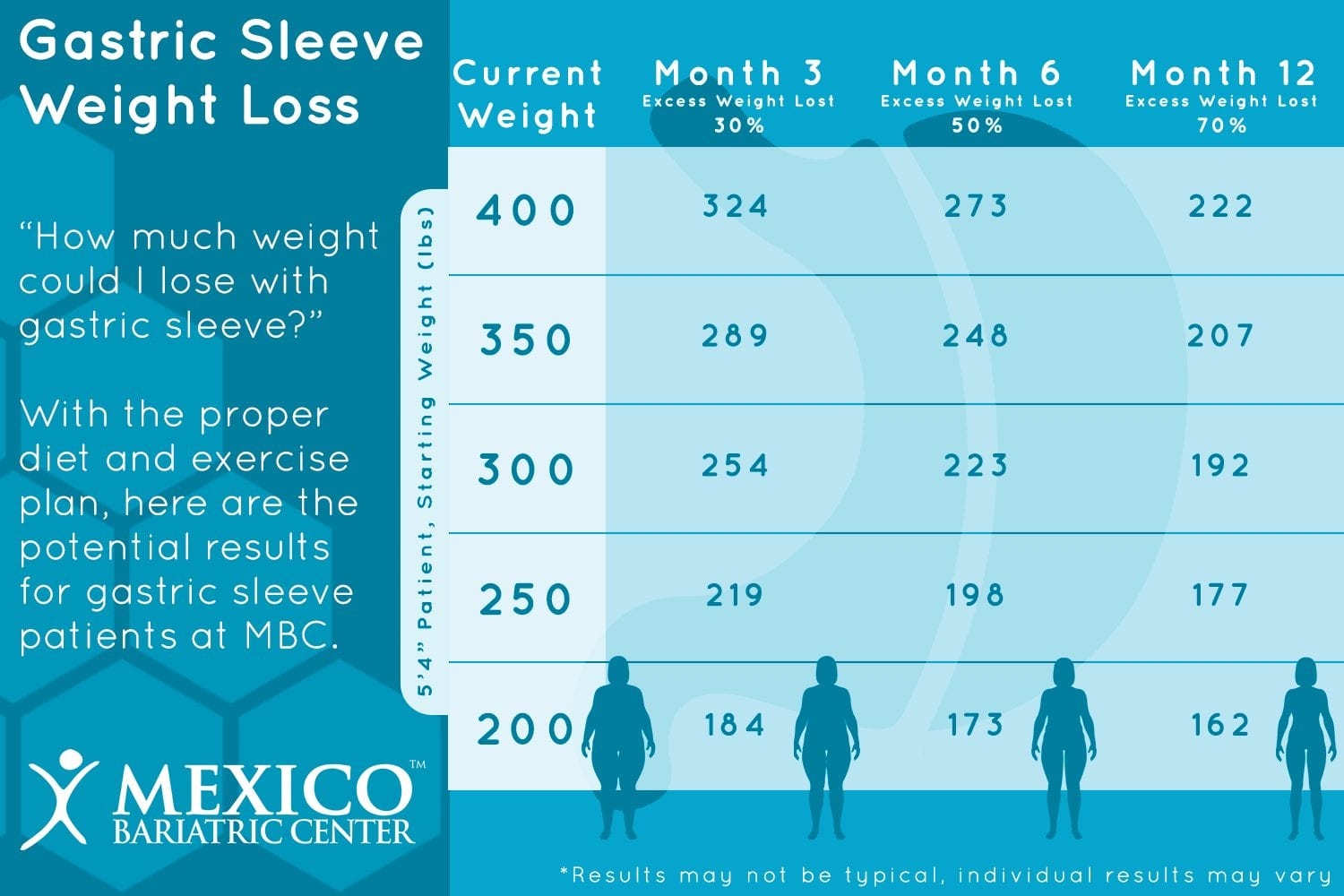
Gastric Sleeve Weight Loss Timeline Chart What To Expect
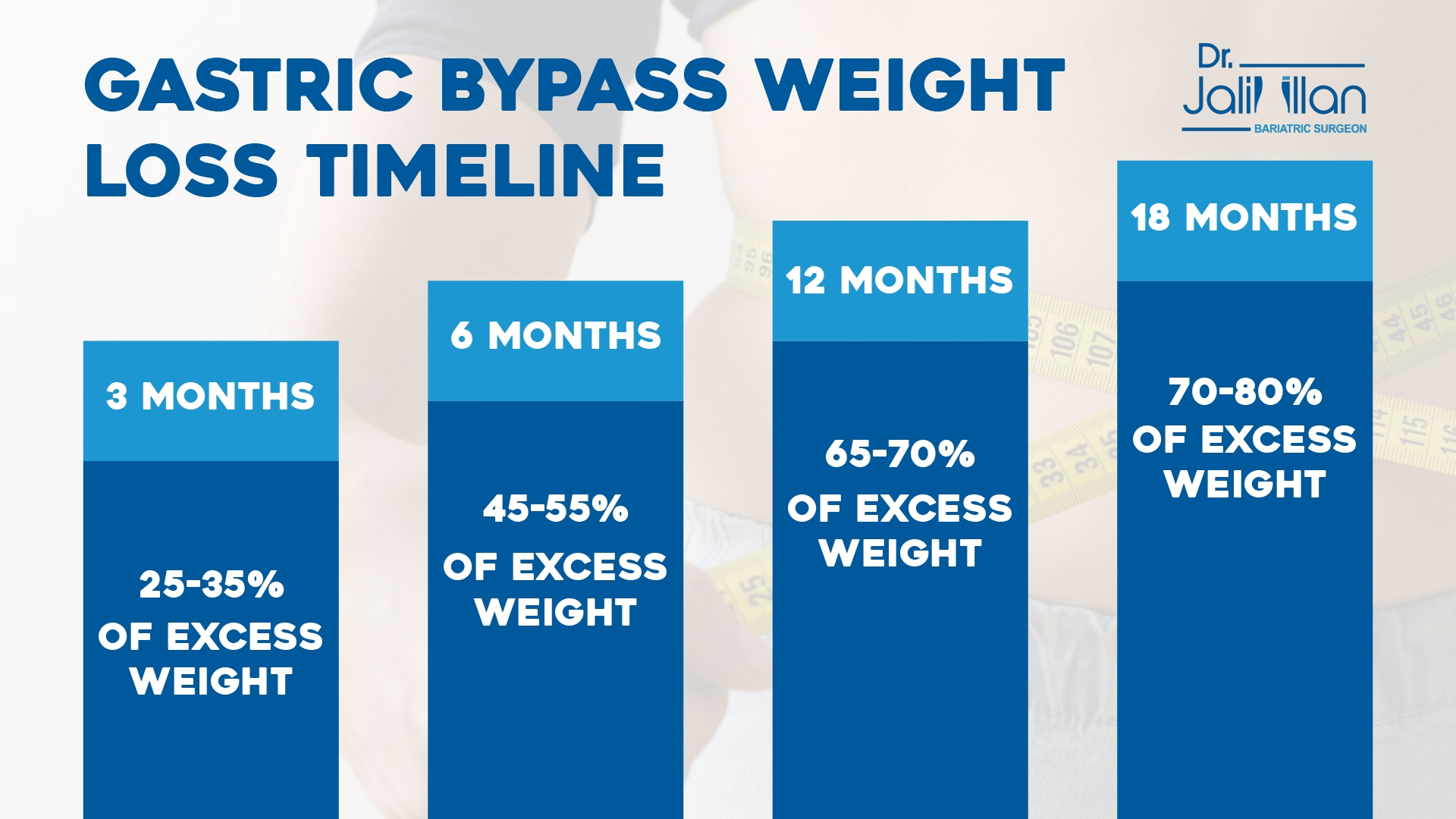
Gastric Bypass Surgery Weight Loss Timeline What To Expect Post Surgery